
Equipment
FIRST LOOK: New Scotty Cameron Phantom Mallets

The start of a new PGA TOUR season often brings subtle equipment changes, and this year, it’s the Scotty Cameron Phantom mallet lineup that’s getting attention.
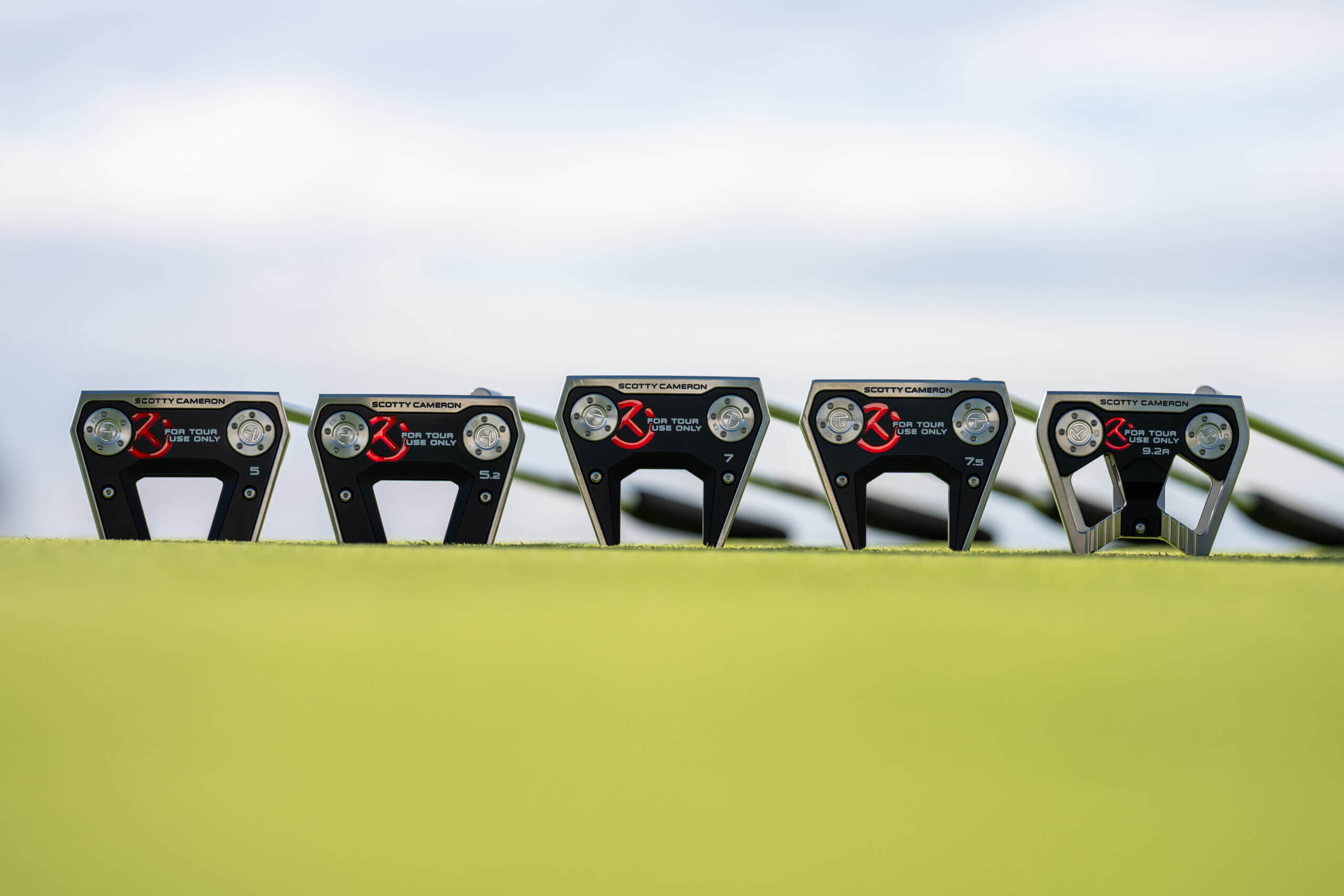
New Phantom 5, 7, and 9R designs are officially in play, with multiple neck and shaft configurations showing up in the bags at the season-opening Sony Open in Hawaii.
Rather than a full overhaul, these next-generation Phantoms represent a continued evolution — shaped directly by feedback from players who have already trusted the Phantom family in competition.
Built on Proven Tour Feedback
The Phantom mallet line has quietly become a mainstay on Tour over the last few seasons, with wins and strong putting performances from players like Russell Henley, Justin Thomas, Cameron Young, Michael Brennan, and Ryan Gerard.
The latest updates build on what those players have already validated under pressure.
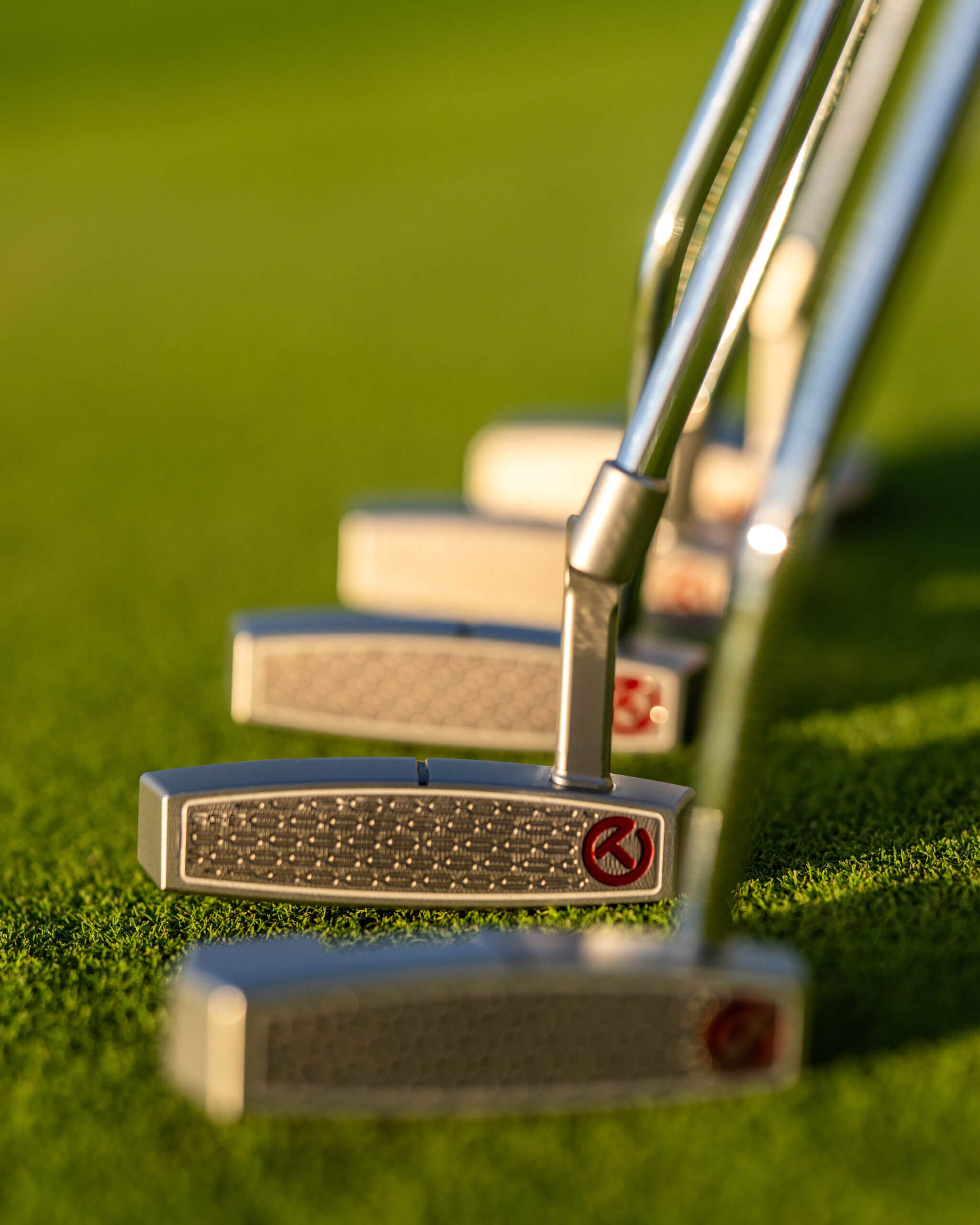
At its core, the Phantom family continues to lean into what draws players to mallets in the first place: stability, forgiveness, and consistency.
Why Players Gravitate Toward Phantom Mallets
The larger mallet profile of the Phantom lineup allows for higher MOI and stability through impact — something that resonates with players looking to quiet down their stroke. That added footprint also opens the door for a variety of alignment approaches.
Some players prefer bold, direct alignment lines. Others respond more to subtle cues built into the angles, contours, and shape of the head itself. The Phantom designs aim to accommodate both, without forcing a single visual solution.
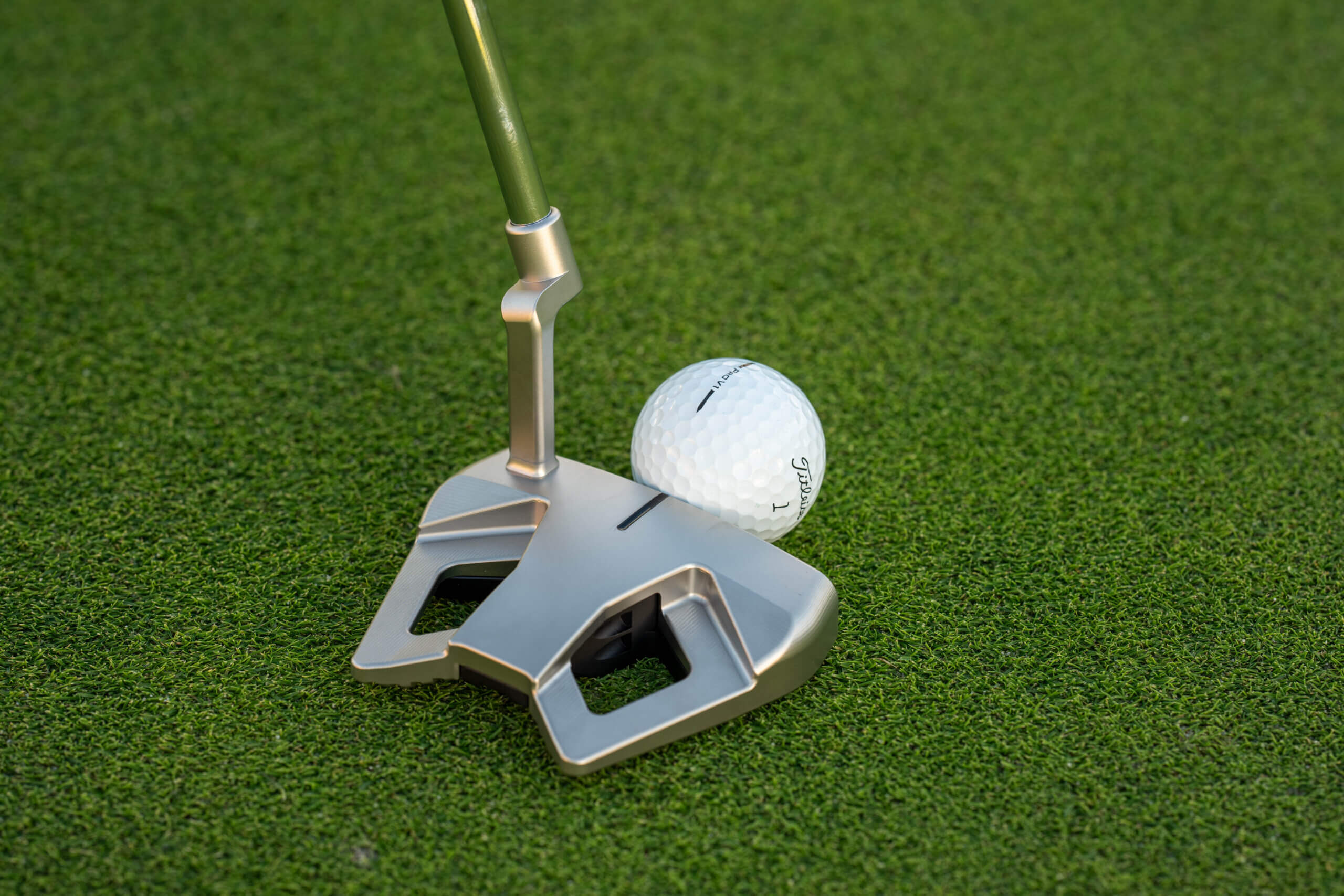
For many players, it simply comes down to confidence.
“There’s an element of forgiveness to it that just I think in my head makes sense,” said Cameron Young. “I’ve just grown to like the way that they look. I look at a blade now and I have more trouble lining it up.”
Cameron Young’s Evolution with Phantom
Cameron Young has used a Phantom putter throughout his entire PGA TOUR career, experimenting with different head shapes and neck configurations since 2021. That willingness to fine-tune paid off again last season.
Early in 2025, Young made a switch at the RBC Heritage — moving from a plumbing neck to a jet neck within the Phantom 9R head. The goal was simple: introduce more toe flow to better match his stroke.

According to Scotty Cameron Tour Rep Brad Cloke, it was a natural progression.
“He’s always wanted to feel flow in the putter. We’ve started in face-balanced mallets for him and we’ve kind of worked our way down to a point where he’s felt comfortable enough to feel the toe flow the way he wants it and get the release of the putter that he wants.”
The Results on the Scorecard
The change delivered measurable results. Young posted the strongest putting season of his career, finishing:
- 7th in Strokes Gained: Putting (+0.642 per round)
- T6 in Putting Average (1.704)
- 4th in One-Putt Percentage (44.57%)
It’s a reminder that even at the highest level, small adjustments in feel and setup can lead to meaningful gains.
What Comes Next?
The rollout of the new Phantom mallets is just getting started, with continued testing and adoption expected across the PGA TOUR and other professional tours worldwide.
As always, what begins as Tour feedback often finds its way to everyday golfers — shaped not by trends, but by what performs under real competitive conditions.
For players who prioritize stability, alignment confidence, and controlled release, the latest Phantom mallets are another step in a familiar direction.


17 Ways to Play Private Golf Courses Without a Membership

Has LIV Golf Just Been Saved by a Mega Investor?

Shot Scope Brings its GPS and Performance Tracking to Apple Watch

Bankruptcy or Bailout…Will LIV Golf Survive?

Can LIV Golf’s Latest Survival Plan Actually Work?
Has LIV Golf Just Been Saved by a Mega Investor?
Shot Scope Brings its GPS and Performance Tracking to Apple Watch
17 Ways to Play Private Golf Courses Without a Membership

We Played This Old Golf Course Where Thomas Edison Was A Member

Are You MEASURING Your Golf Swing Correctly? (This Can Help)
Zach Johnson Explains Why He Didn’t Pick Bryson DeChambeau for the Ryder Cup

Justin Thomas FIRES Coach before Ryder Cup…Who’s Next?