
Equipment
FIRST LOOK: Titleist Unveils New Vokey WedgeWorks Grind Lineup

If you’ve ever gone down the rabbit hole of wedge grinds, you already know this: it can get confusing fast. But it’s also one of those areas where dialing things in can make a massive difference in your game—especially around the greens.
With the latest expansion of the Vokey WedgeWorks lineup, Titleist is clearly leaning even further into that idea. More options, more nuance, and more ways to fine-tune how your wedges actually interact with the turf.
But instead of treating this like another gear announcement, let’s break down what this really means—and more importantly, who it’s actually for.
Why This Matters More Than You Think
Most golfers obsess over drivers and irons, but wedges? That’s where the scoring really happens.
The tricky part is that wedges aren’t just about loft or spin anymore. The sole grind—how the bottom of the club is shaped—has a huge impact on how the club moves through turf and sand.
And that’s where WedgeWorks comes in. It’s basically the “deep end of the pool” for wedge fitting. While the standard Vokey SM11 lineup already offers a ton of options, WedgeWorks pushes it even further with more specialized grinds—many of which come directly from tour player feedback.
Translation: these aren’t random designs. These are solutions to very specific problems.
The Big Picture: More Grinds, More Precision
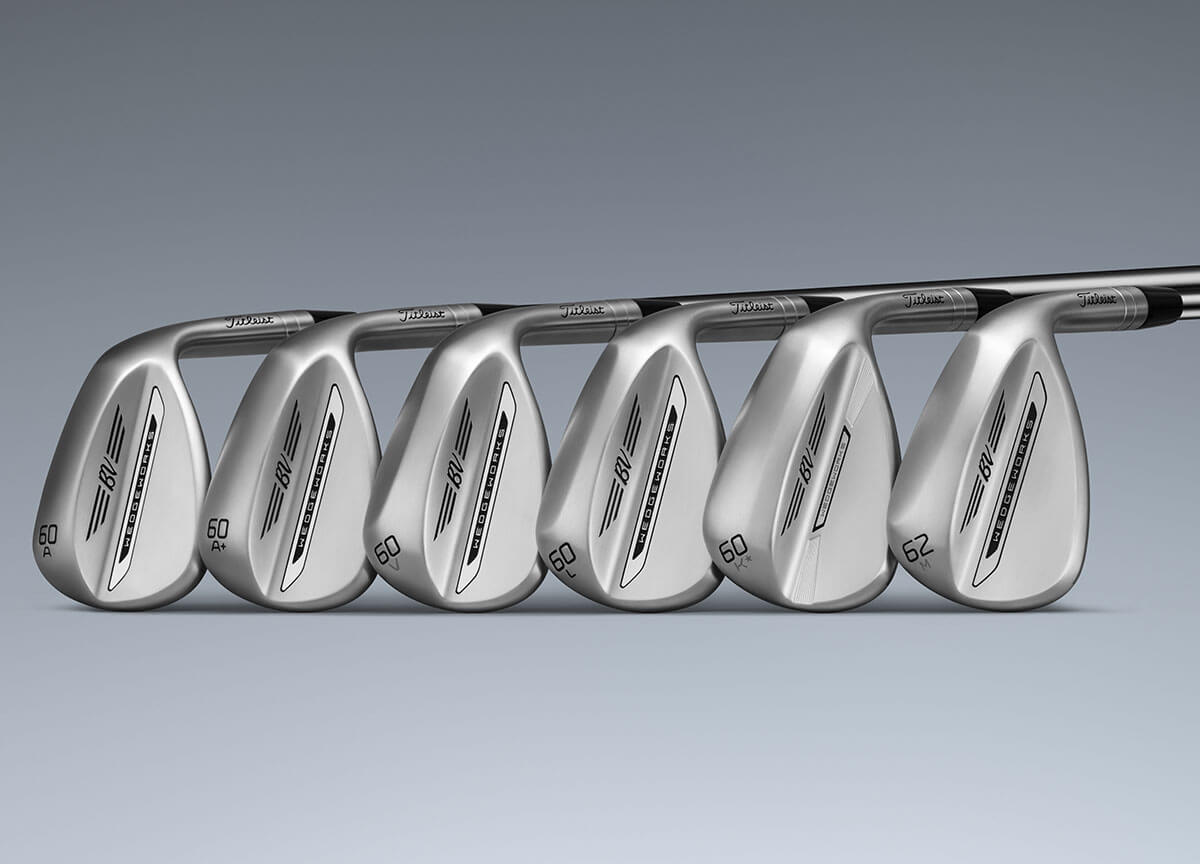
The headline here is simple: five new lob wedge grinds (plus a 62-degree addition) are now available to the public.
That might not sound exciting at first, but it’s actually a big shift. Historically, some of these options were either tour-only or extremely limited.
Now, you’ve got access to:
- L Grind
- A Grind
- K* Grind
- A+ Grind
- V Grind
- 62-degree M Grind
Each one is designed for a slightly different swing type, turf condition, or shot preference.
The L Grind: Low Bounce Without the Punishment
The L Grind sits in that tricky middle ground.
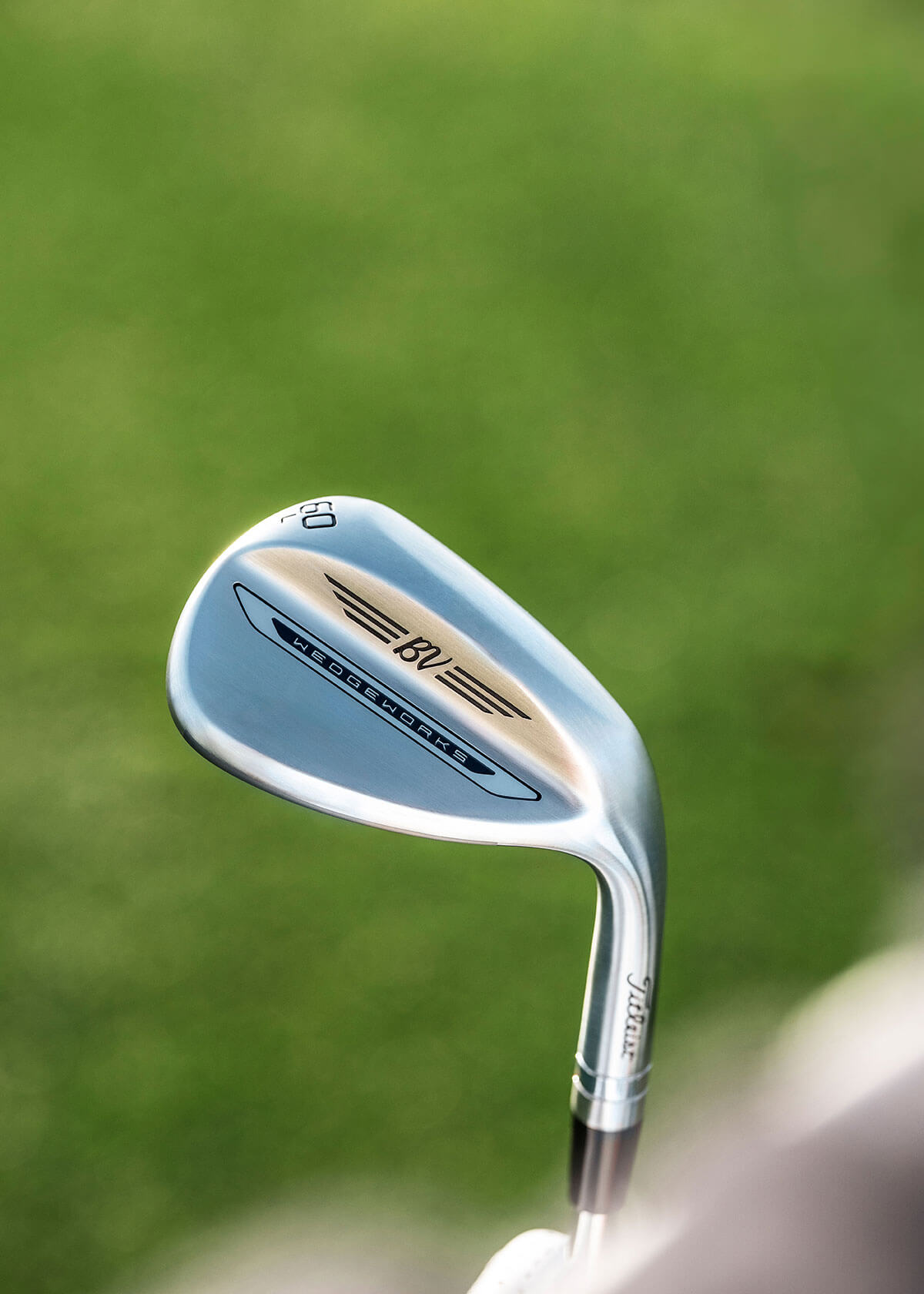
It’s a low-bounce option, which typically means it’s great for tight lies and firm conditions—but also risky if your contact isn’t perfect. The difference here is that the L adds just enough forgiveness to keep it from digging too aggressively.
This is for the player who likes to:
- Open the face
- Hit creative shots
- Play on firmer courses
If you’ve ever felt like a low-bounce wedge was almost right but too punishing, this is the tweak.
The A Grind: Built for Firm Conditions
The A Grind is basically a refined version of the L.
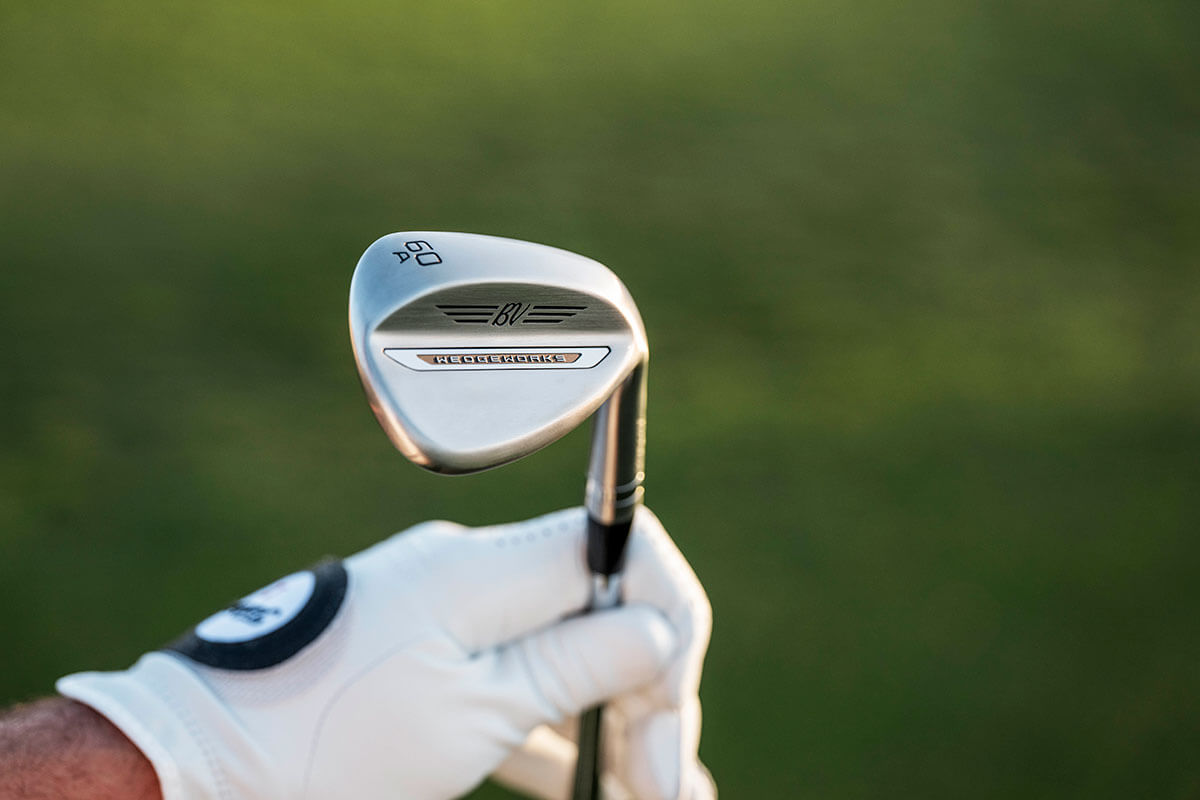
It was originally shaped with firm, tight turf in mind—think links-style conditions or baked-out summer fairways. The sole is smoothed out so it glides through the ground with minimal resistance.
If your miss tends to be:
- Catching it slightly heavy
- Getting “stuck” in the turf
This grind helps you slide under the ball instead of digging.
The K* Grind: The Bunker Specialist That Can Do More
The K* is interesting because it blends two things that don’t usually go together well:
- A wide sole (great for bunkers)
- Versatility (usually sacrificed with wide soles)
This version adds relief in key areas (heel, toe, trailing edge), so you can still open the face and hit finesse shots.
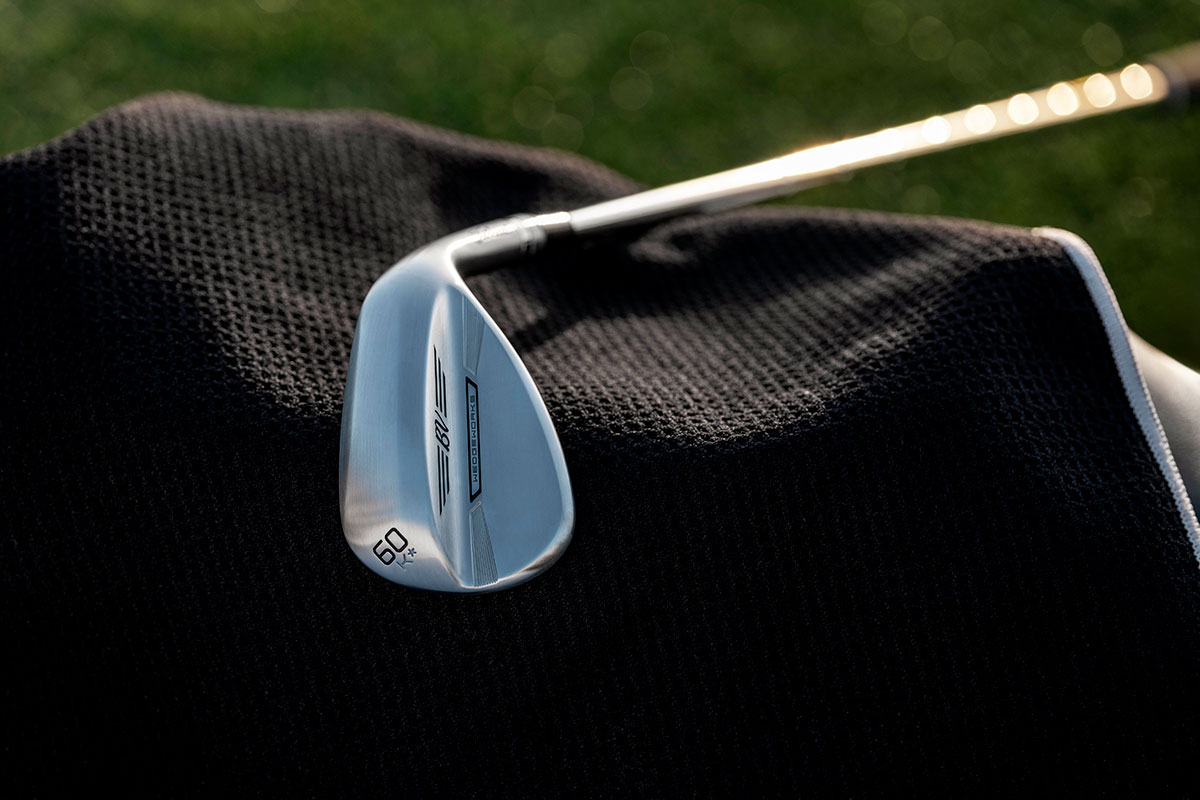
If you struggle in bunkers but don’t want a one-dimensional wedge, this is worth a serious look.
The A+ Grind: The “Tweener” That Fixes a Common Problem
This one solves a very specific issue.
Some players find mid-bounce wedges (like the M Grind) just a bit too “floaty” or bouncy through impact.
The A+ lowers that leading edge slightly and moves through the turf faster, while still keeping enough bounce to stay forgiving.
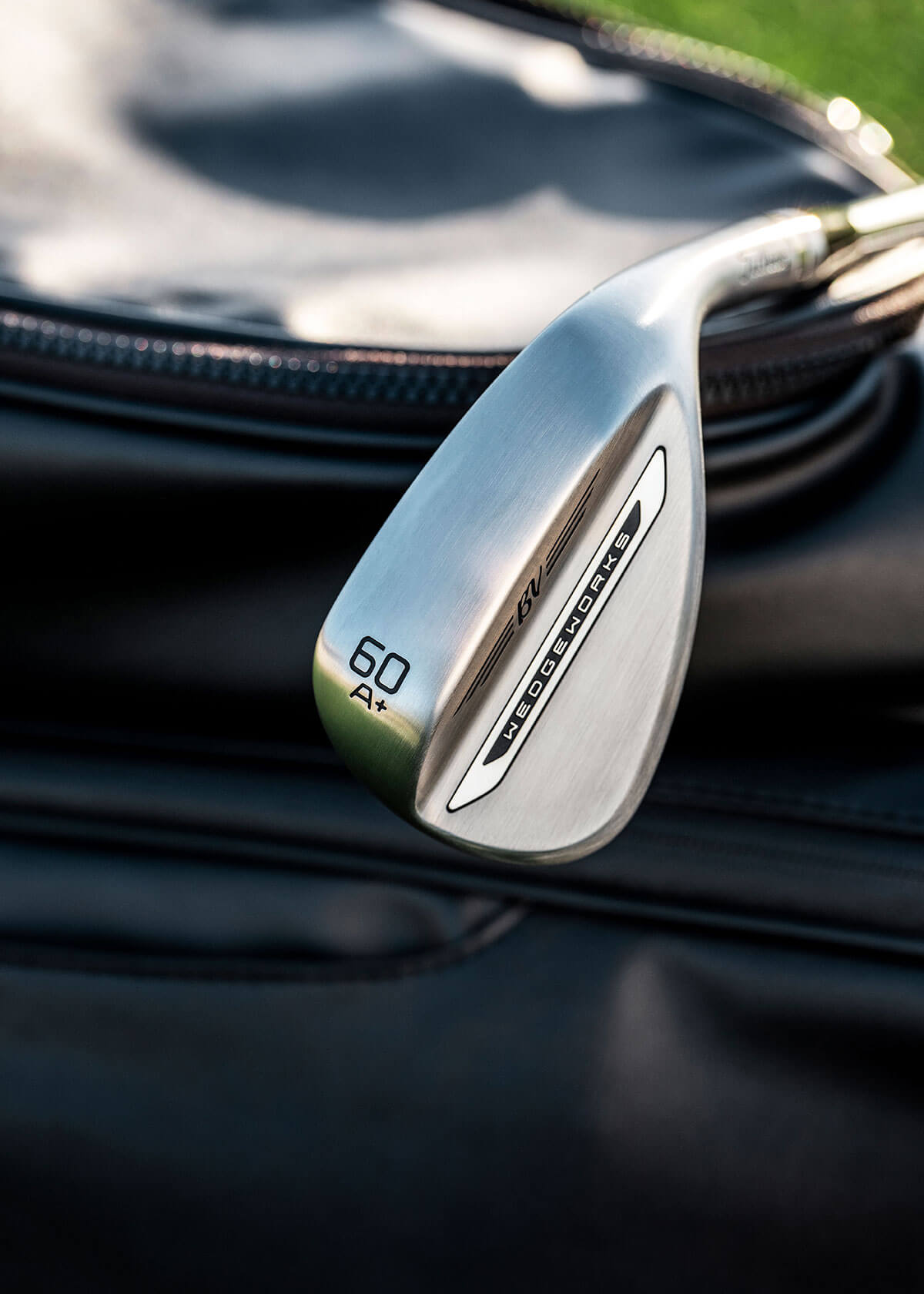
In other words:
- More control than high bounce
- More forgiveness than low bounce
This is probably the most “sleeper” option in the lineup.
The V Grind: Built for Steeper Swings
If you’re a player who takes deeper divots or has a steeper angle of attack, this one was basically made for you.
The V Grind adds more bounce up front (where you need it most), helping prevent the club from digging too much on square-faced shots.
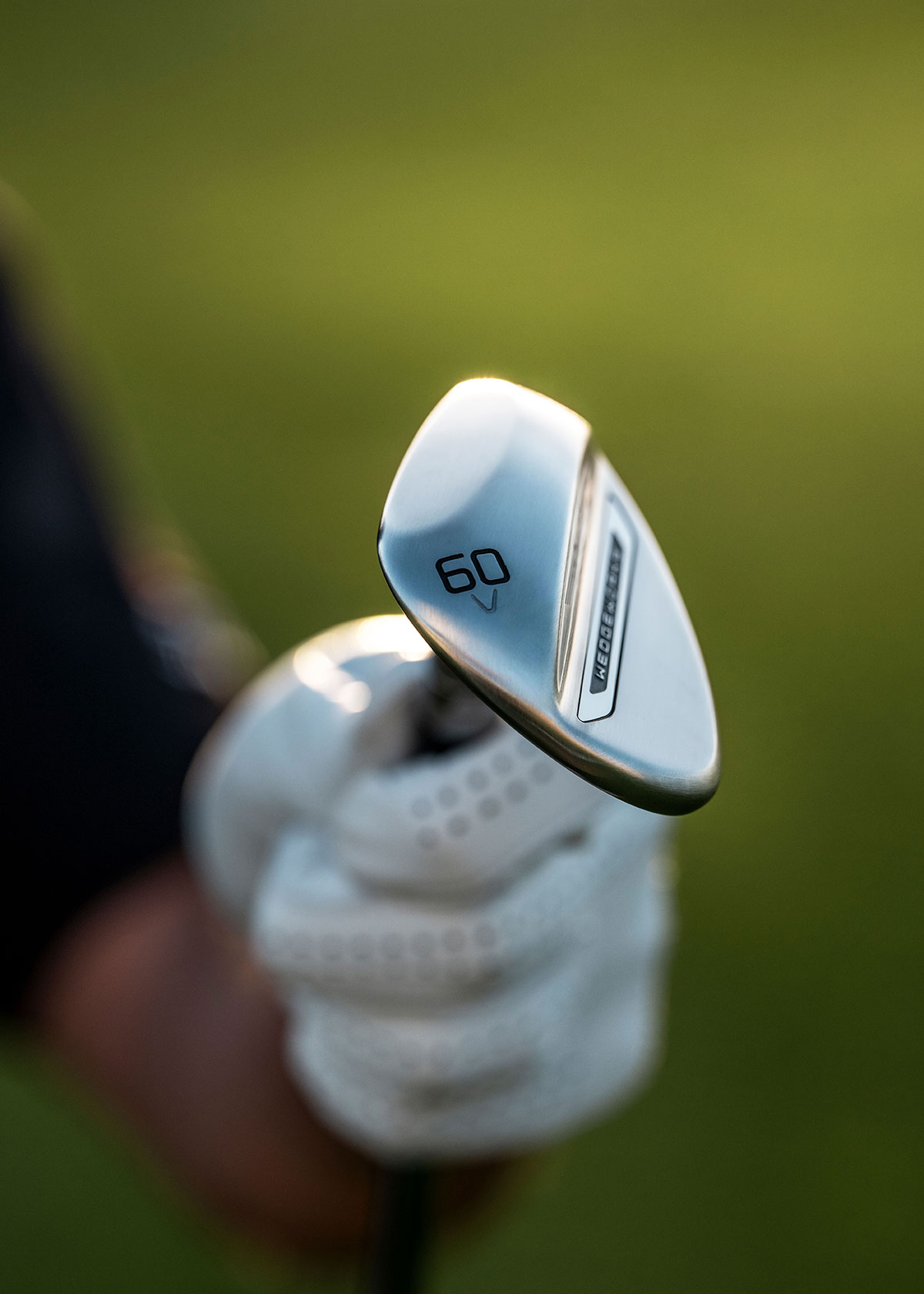
At the same time, it still has relief built in, so you’re not locked into one type of shot.
This shines in:
- Softer conditions
- Grainy turf
- Steeper swings
The 62M: More Loft, Same Versatility
The M Grind has always been one of the most versatile options out there.
Adding it in a 62-degree version is pretty straightforward: it gives players more loft for those high, soft shots without sacrificing versatility.
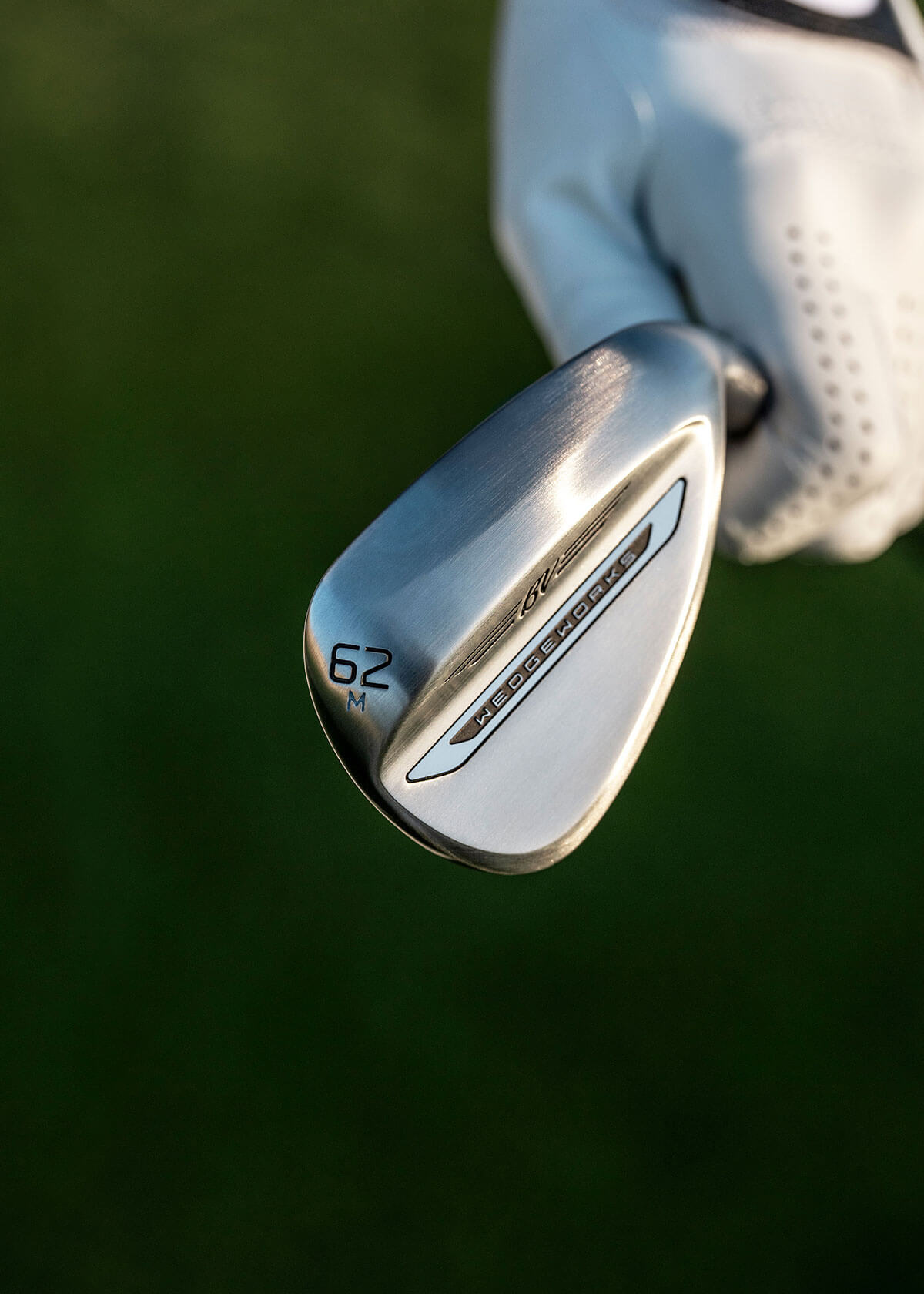
This is for the player who wants:
- Maximum height
- Quick stopping power
- Shot-making flexibility
Just be honest with yourself—62 degrees isn’t for everyone.
The Tech Side (Without the Marketing Spin)
All of these wedges share the same platform as the SM11 line, but there are a few upgrades worth noting:
- More consistent center of gravity (CG): CG is now more standardized within each loft, regardless of grind.
- Refined grooves and face texture: Increased friction helps maintain spin, especially on partial shots.
- More groove volume: Helps retain spin in rough or wet conditions where control is usually lost.
None of this is flashy, but it’s the kind of incremental improvement that actually shows up on the course.
The Bigger Takeaway
Here’s the honest truth: most golfers are playing the wrong wedge grind.
Not because they chose poorly—but because they never got properly fit in the first place.
What Titleist is doing here with WedgeWorks is giving players access to the same level of customization that tour players have been using for years.
That’s a good thing… if you take advantage of it.
Because more options don’t automatically make things better. They just raise the ceiling.
So… Should You Care?
If you’re someone who:
- Plays different types of courses
- Struggles with consistency around the greens
- Or feels like your wedges don’t quite match your swing
Then yeah—this matters.
But don’t fall into the trap of thinking there’s a “best” grind.
There isn’t.
There’s just the one that fits your swing, your turf conditions, and your tendencies.
And if you get that right? That’s where things start to click.


LIV Golf Could Be Facing its Final Chapter

Foresight GC2 Review: A Surprisingly Affordable Launch Monitor From Foresight

FIRST LOOK: Rapsodo MLM2XPRO Adds Putting, Faster Performance & More

FIRST LOOK: Titleist’s 2027 Pro V1 and Pro V1x Are Officially Showing Up on Tour

2026 Presidents Cup Preview: Did Team USA Get It Right?
2026 Presidents Cup Preview: Did Team USA Get It Right?
FIRST LOOK: Rapsodo MLM2XPRO Adds Putting, Faster Performance & More
Foresight GC2 Review: A Surprisingly Affordable Launch Monitor From Foresight

Turning Stone: The Northeast’s Most Underrated Golf Destination
FIRST LOOK: Titleist’s 2027 Pro V1 and Pro V1x Are Officially Showing Up on Tour

We Played This Old Golf Course Where Thomas Edison Was A Member

Are You MEASURING Your Golf Swing Correctly? (This Can Help)

Zach Johnson Explains Why He Didn’t Pick Bryson DeChambeau for the Ryder Cup

Justin Thomas FIRES Coach before Ryder Cup…Who’s Next?