
Equipment
Titleist Introduces New GTS Drivers: More Speed, More Stability, and More Adjustability

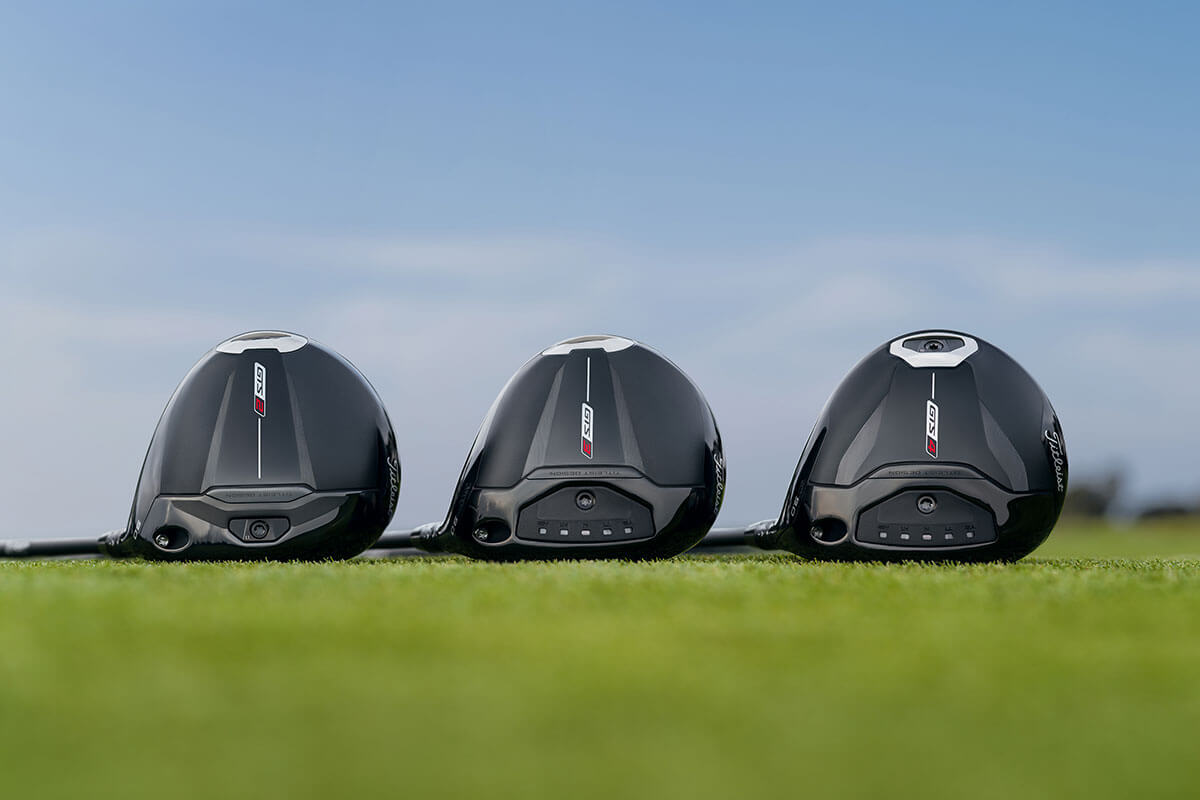
Titleist has officially unveiled its new GTS driver lineup, and it’s clear the company isn’t interested in making small incremental changes.
The new GTS2, GTS3, and GTS4 drivers build upon the success of what has already been the most-played driver family on the PGA TOUR, but this new generation pushes even further into the areas golfers care about most: speed, forgiveness, consistency, and fitting adjustability.
The biggest takeaway is that Titleist seems laser-focused on delivering complete driver performance rather than chasing one headline-grabbing metric. Instead of simply saying “this one spins less” or “this one is more forgiving,” the GTS lineup appears designed to improve multiple performance categories simultaneously without sacrificing feel or playability.
And honestly, that’s usually where Titleist drivers tend to shine.
A Completely Reworked Internal Design
The biggest technological change in the new GTS lineup comes from what Titleist calls its Split Mass Frame construction.
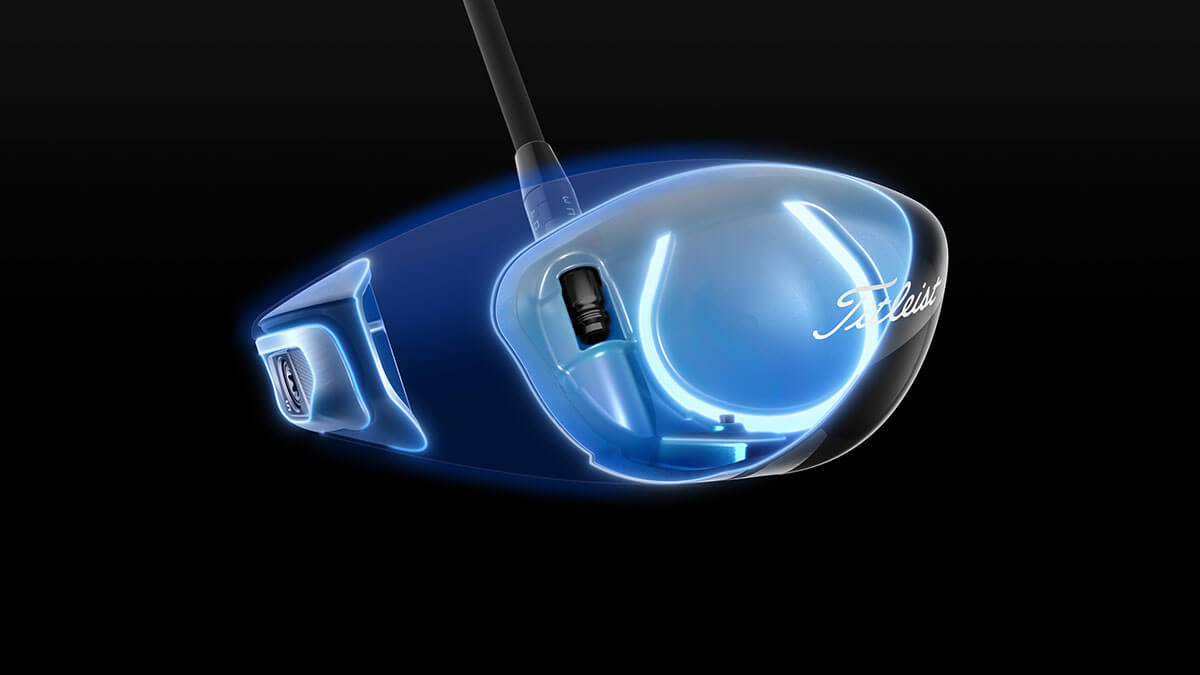
All three GTS drivers use a full thermoform body built from Titleist’s Proprietary Matrix Polymer (PMP), a lightweight composite material that first appeared in the previous GT models. The difference this time is scale. According to Titleist, GTS drivers now use twice as much PMP material as before, increasing from 13 grams to 26 grams.
That extra weight savings gave engineers more freedom to reposition mass exactly where they wanted it.
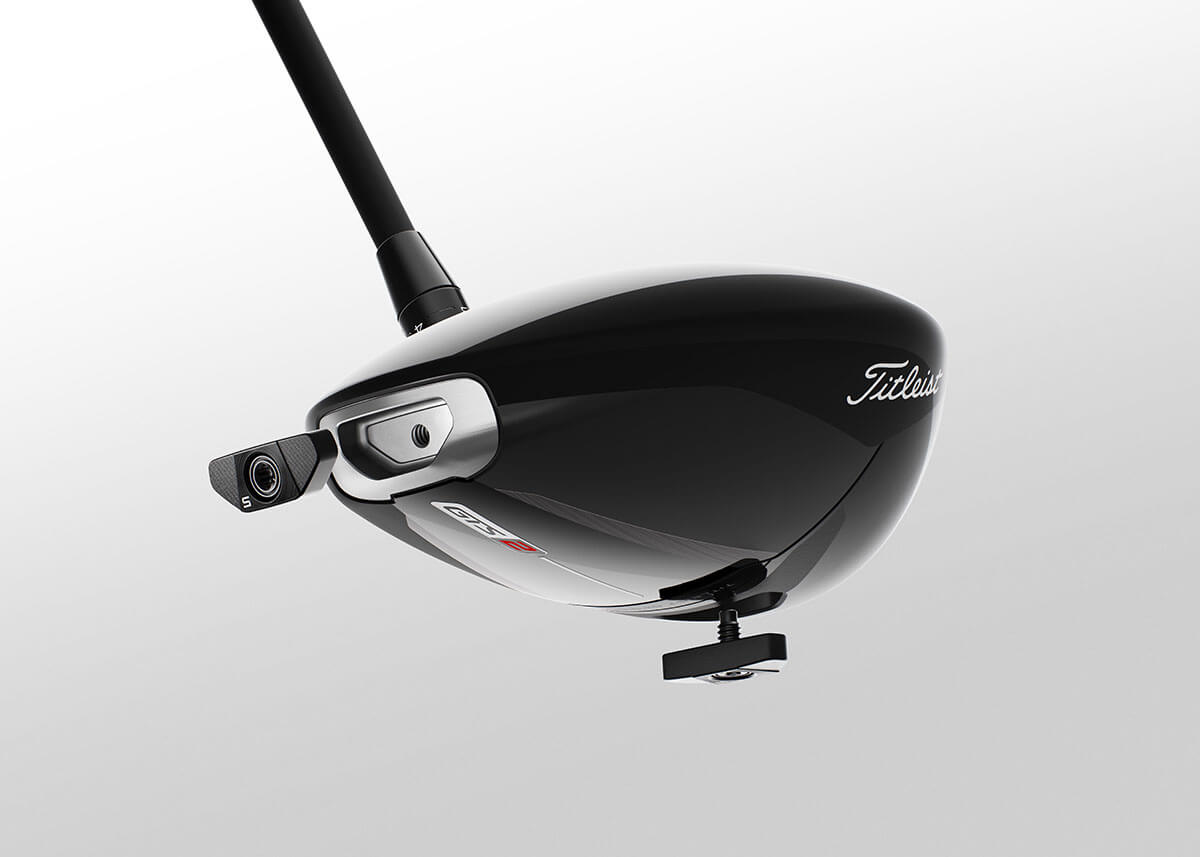
Instead of concentrating weight in one area, Titleist split it strategically — placing mass both rearward for stability and lower-forward for speed and launch optimization. That combination is typically difficult to achieve because moving CG forward often sacrifices forgiveness. Titleist believes the GTS construction finally lets them balance both.
Stephanie Luttrell, Titleist’s Senior Director of Metalwood R&D, explained it this way:
“We’ve never before been able to hit these CG positions and inertia properties at the same time.”
That’s a pretty significant statement considering how long Titleist has been refining its driver platform.
Faster Through the Air
Another major focus with GTS is aerodynamics.
The new GTS2 and GTS3 shapes feature a raised tail section designed to reduce drag and help the clubhead move faster through the air. Typically, aerodynamic gains can negatively affect launch characteristics by pushing the center of gravity higher or farther back, but Titleist says the new Split Mass Frame helped avoid those compromises.
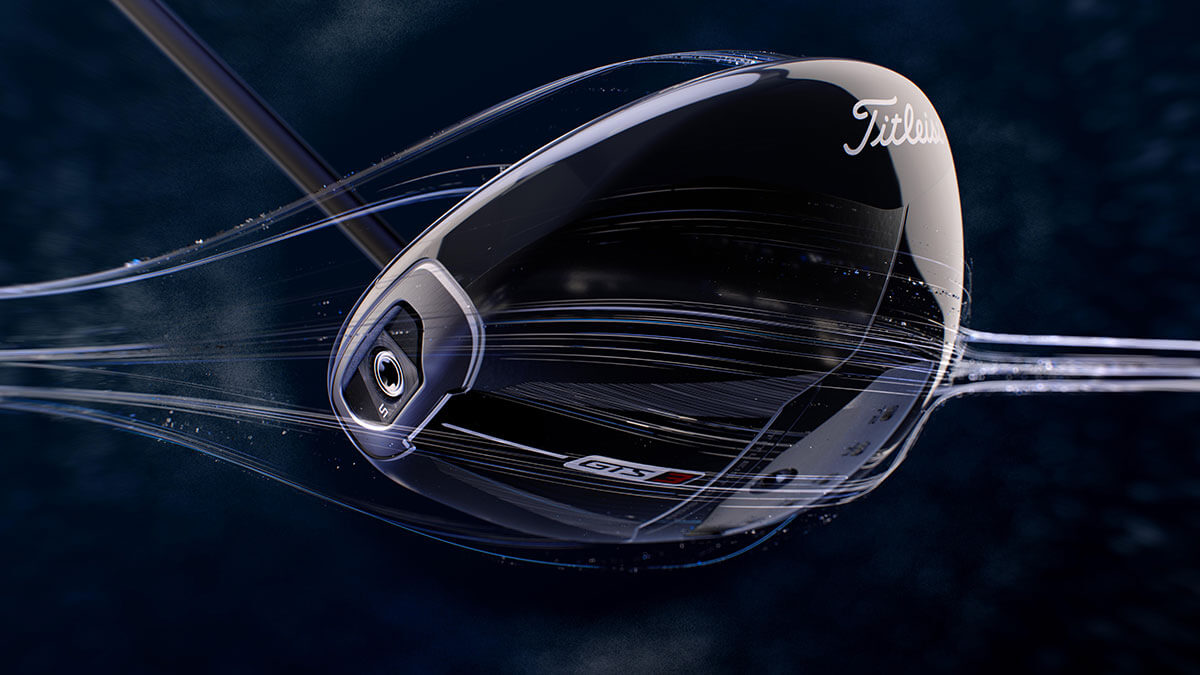
In other words, the clubhead should move faster without forcing players into launch or spin conditions they don’t want.
That’s important because modern driver fitting is becoming less about one-size-fits-all distance and more about optimizing launch windows for individual swing characteristics.
The better players get fit today, the more those small changes in launch, spin, and dynamic face closure start to matter.
New Speed Sync Face Technology
The face design also received a major update.
Titleist is calling it the Speed Sync Face, and the goal is improved ball speed retention across more impact locations.
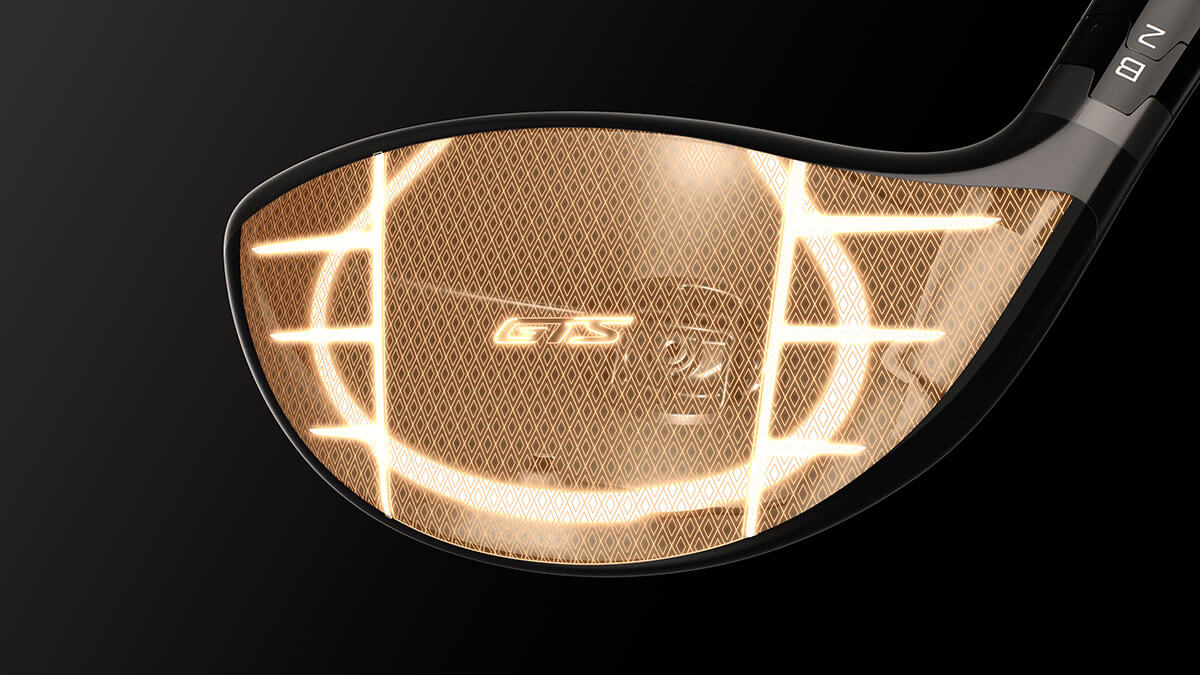
One particularly interesting detail is the way Titleist opened up the upper portion of the support structure behind the face. That design is intended to improve performance specifically on high-face strikes — something a lot of golfers experience when trying to maximize distance with upward attack angles.
The drivers also feature a variable face thickness design to help maintain speed across the face.
Again, this is another example of Titleist focusing on total performance rather than simply optimizing one perfect center strike.
The Three GTS Models Explained
GTS2 — Speed and Maximum Stability
The GTS2 is likely going to fit the widest range of golfers.
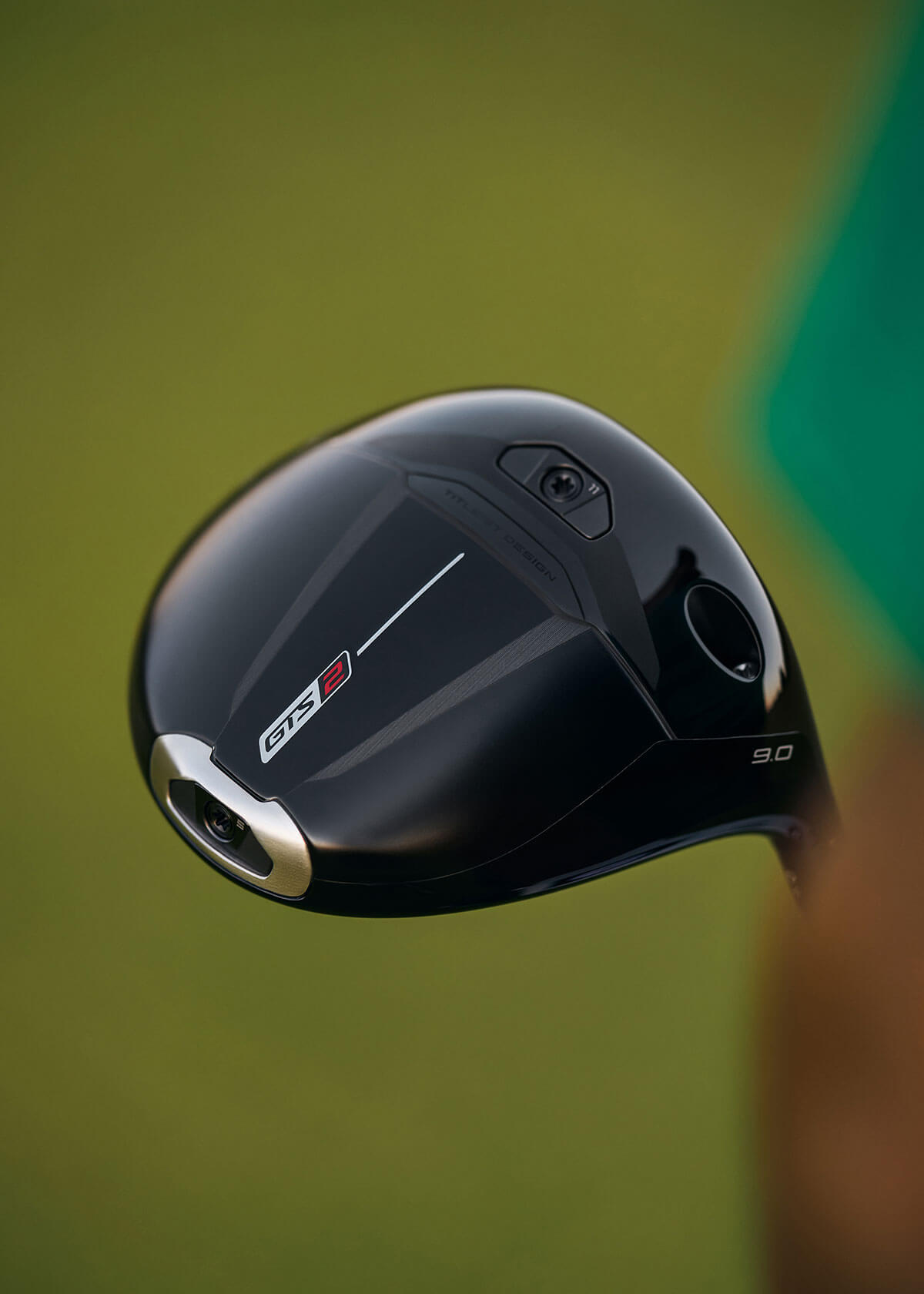
It’s designed to provide high launch, mid spin, and maximum forgiveness while maintaining ball speed across the face. Titleist describes it as the most stable option in the lineup.
The profile is slightly larger and confidence inspiring at address, which should appeal to players looking for consistency off the tee.
Available lofts include 8.0, 9.0, 10.0, and 11.0 degrees in both right- and left-handed models.
GTS3 — More Precision and Shot Control
The GTS3 moves into slightly lower launch and lower spin territory.
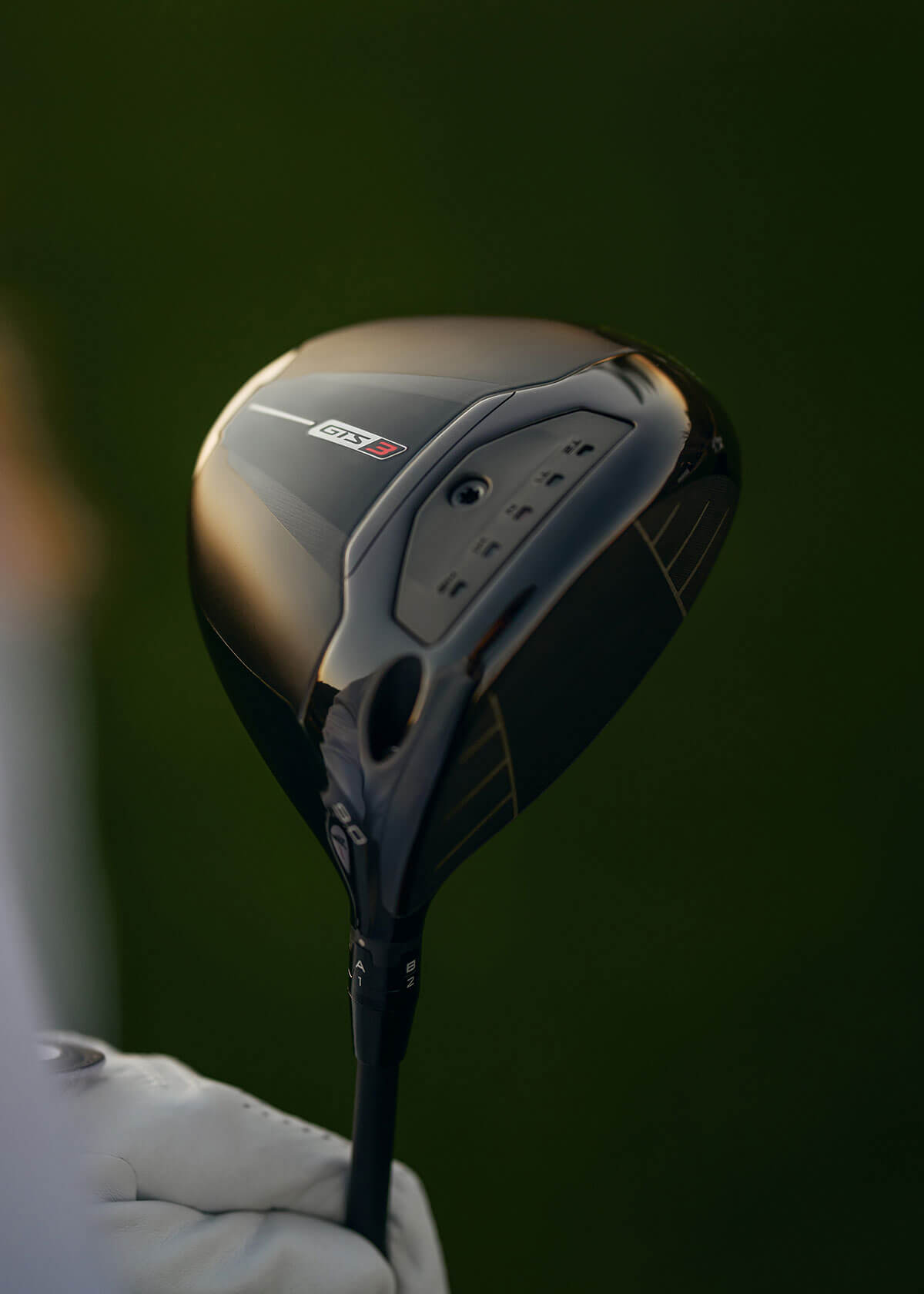
Compared to the GTS2, it features a more compact profile with a deeper face, aimed at golfers who want more control over trajectory and shot shaping.
This is probably the model many stronger players and competitive amateurs will gravitate toward, especially those who already fit well into the TSR3 or GT3 profiles.
Like the GTS2, it’s available in 8.0, 9.0, 10.0, and 11.0 degrees.
GTS4 — Lowest Spin in the Family
The GTS4 is the lowest-spinning driver in the lineup and is designed for players trying to significantly reduce spin rates.
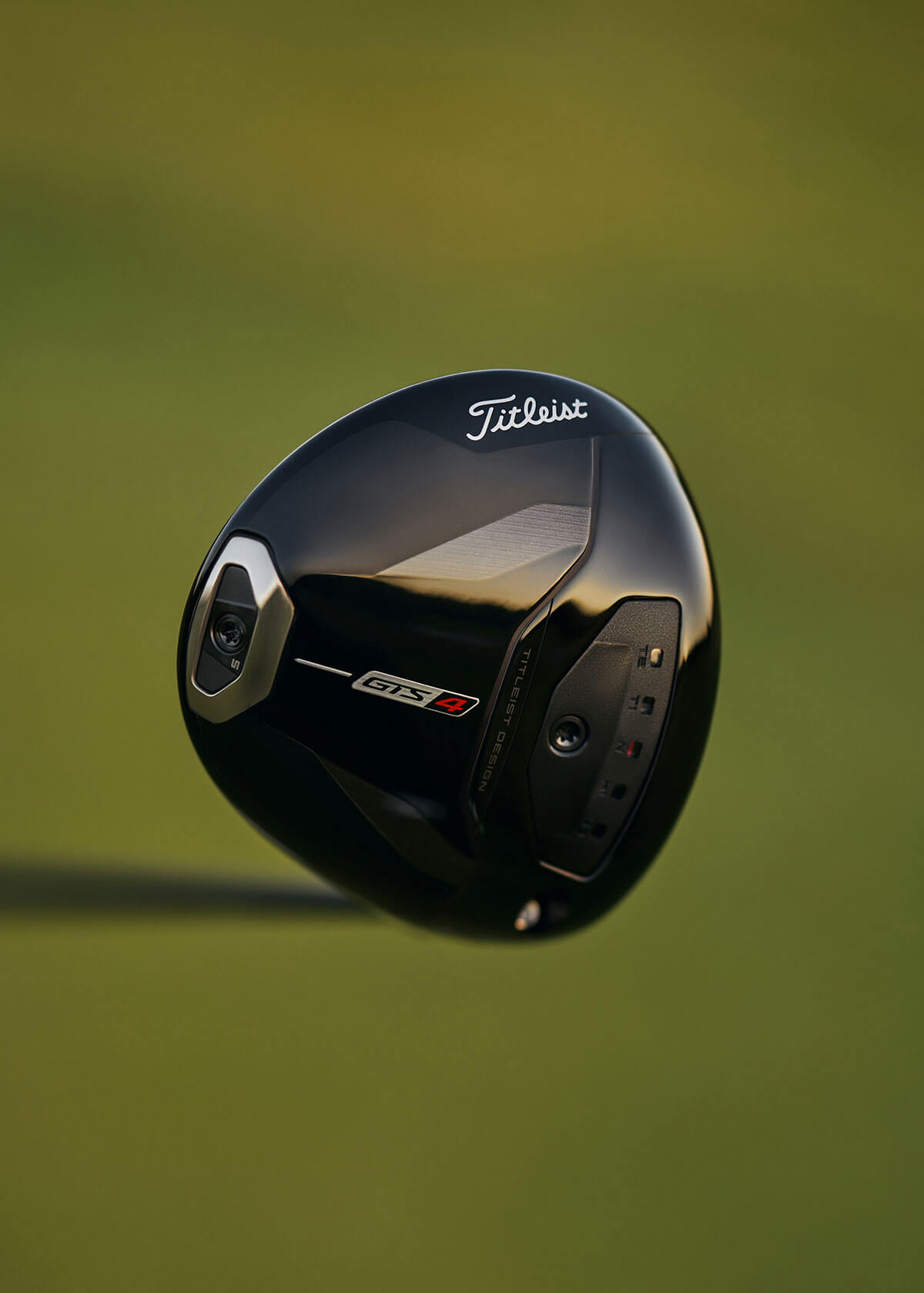
What’s especially interesting this year is that Titleist increased the size of the GTS4 to 460cc.
Historically, the “4” models have been more compact and demanding, but the larger footprint should provide noticeably more forgiveness than previous generations.
That could make GTS4 a much more realistic option for a wider range of players who generate excess spin.
More Adjustability Than Ever Before
One of the biggest changes throughout the lineup is the introduction of new dual-weighting systems.
GTS2 uses forward and rear interchangeable weights, while GTS3 and GTS4 feature a forward track weight along with an additional rear weight.
By flipping or repositioning those weights, fitters can manipulate center of gravity depth to influence launch, spin, and even clubface closure dynamics.
This is where Titleist is clearly leaning heavily into custom fitting.
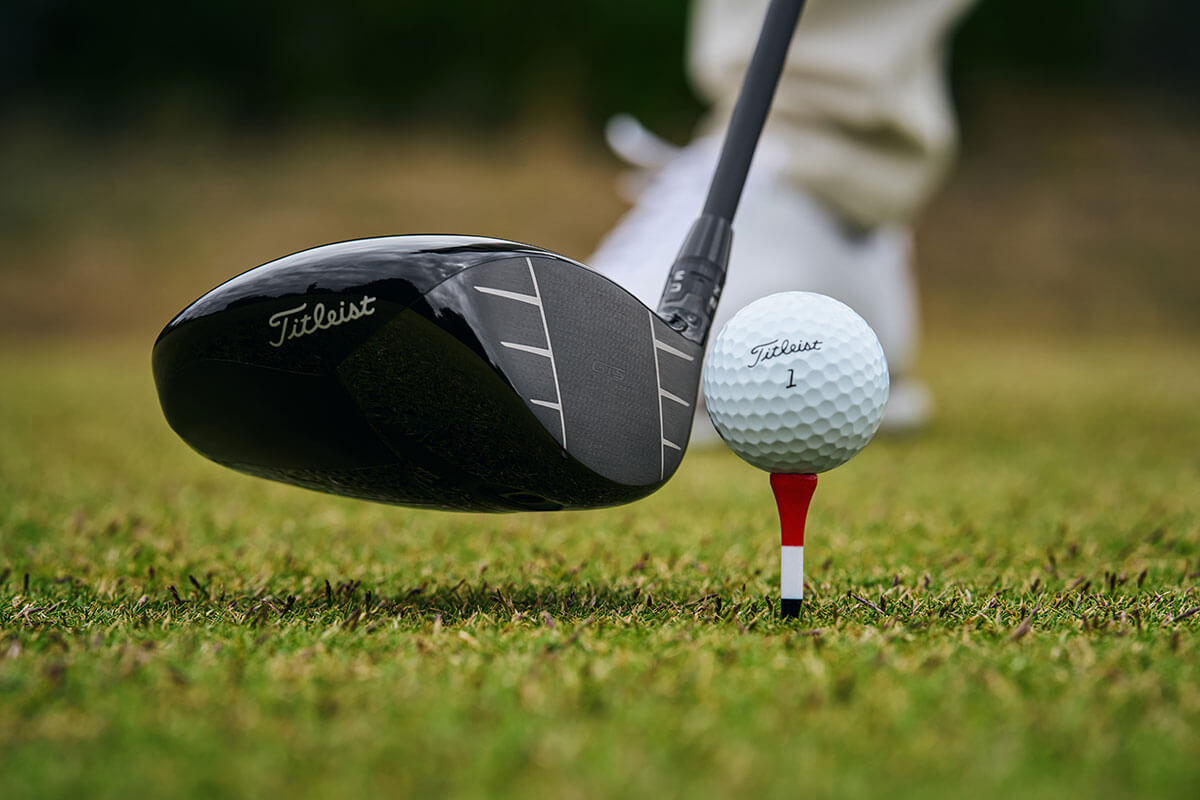
Modern driver technology has reached a point where golfers can unlock surprisingly meaningful gains simply by fine-tuning CG placement and matching the right head profile to their swing tendencies.
That’s especially true when you combine these adjustable heads with the wide range of featured and premium shaft options available.
Tour Validation Already Happening
As expected, the new GTS drivers have already started making their way onto professional tours.
According to Titleist, more than 50 PGA TOUR players have already switched into GTS drivers since their debut at the Texas Children’s Houston Open.
That includes players like Justin Thomas and Jordan Spieth, both of whom moved into GTS2 models.
The lineup has also already picked up wins internationally with players like Bernd Wiesberger, Davis Lamb, and Sangyeop Lee.
Tour adoption obviously doesn’t guarantee performance for everyday golfers, but it does reinforce the idea that these aren’t just cosmetic updates.
Final Thoughts
At first glance, the new GTS lineup feels less like a dramatic reinvention and more like a refinement of everything Titleist already does well.
But once you start digging into the engineering changes — especially the Split Mass Frame, expanded adjustability, aerodynamic improvements, and updated face design — it becomes clear there’s a lot more happening beneath the surface.
What stands out most is how balanced the entire approach seems to be.
Titleist isn’t chasing one extreme category. They’re trying to make drivers that are faster, more stable, more adjustable, and better sounding all at once.
That’s a difficult balancing act.
And based on the early tour adoption and the technology package itself, the GTS lineup looks like it could become another very successful chapter in the evolution of Titleist metalwoods.
The new Titleist GTS drivers are available for fittings and pre-sale now and will arrive in golf shops worldwide beginning June 11.


Foresight GC2 Review: A Surprisingly Affordable Launch Monitor From Foresight

FIRST LOOK: Rapsodo MLM2XPRO Adds Putting, Faster Performance & More

FIRST LOOK: Titleist’s 2027 Pro V1 and Pro V1x Are Officially Showing Up on Tour

2026 Presidents Cup Preview: Did Team USA Get It Right?

Turning Stone: The Northeast’s Most Underrated Golf Destination
2026 Presidents Cup Preview: Did Team USA Get It Right?
FIRST LOOK: Rapsodo MLM2XPRO Adds Putting, Faster Performance & More
Turning Stone: The Northeast’s Most Underrated Golf Destination
Foresight GC2 Review: A Surprisingly Affordable Launch Monitor From Foresight
FIRST LOOK: Titleist’s 2027 Pro V1 and Pro V1x Are Officially Showing Up on Tour

We Played This Old Golf Course Where Thomas Edison Was A Member

Are You MEASURING Your Golf Swing Correctly? (This Can Help)

Zach Johnson Explains Why He Didn’t Pick Bryson DeChambeau for the Ryder Cup

Justin Thomas FIRES Coach before Ryder Cup…Who’s Next?