
Equipment
Understanding Golf Ball Compression


The golf ball is a crucial piece of equipment in your quest for lower scores. While every golfer knows that plenty of skill and practice are required to play well, having the right equipment in your bag is necessary as well.
The 14 clubs that you choose to carry play a big role in your game, but perhaps no single piece of gear is as important as the ball. The golf ball that you decide to play with will dictate the kinds of shots that you can hit, and how far you can hit them. If you are a player who typically just grabs whatever ball you can find on the pro shop shelves before hitting the first tee, now is the time to educate yourself on the importance of the golf ball.
One of the most important elements of golf ball design to understand is compression. Compression is essentially the amount of force required to compress a golf ball at impact. Put another way, you can think of compression as the hardness of the golf ball.
A low compression ball will feel ‘soft’ at impact, while a high compression ball will feel much ‘harder.’ In days gone by, golf ball compression ratings would be offered as a number, such as 70 or 90, but today they are typically listed as either ‘low’, ‘mid’, or ‘high’.
Which Golf Ball Compression is Best?
There is no one compression rating that makes for the ‘best’ golf ball. Rather, it’s all about matching up the right compression with your swing.
Generally speaking, players with lower swing speeds are going to want to use low compression balls, while those with powerful swings should opt for a high compression option. Most of the players you see on the professional tours use high compression golf balls, simply because they possess powerful swings.
It’s common for amateur golfers to choose the same high compression balls that they see being used by their favorite players, but that is usually a mistake. It doesn’t matter which ball is used by any other player – it only matters which is the best fit for you.
To maximize your distance potential with your current swing speed, you will need to match up your ball selection to the swing you possess. While not as common, it can also be trouble if you use a ball that is too soft for your powerful swing. Using a compression that is too low will cause you to hit the ball excessively high with too much spin – a combination that will also lead to short drives.
Trust the Packaging
When shopping for a new golf ball, it can be as simple as reading the information on the package to determine which ball would be a good fit for your swing. Most golf ball manufacturers put info on the box regarding which swing speed levels will be best-suited to this ball.

Example of a “soft” compression golf ball.
Of course, most companies offer a range of different golf ball compressions, so you should be able to find one that is right for you within your brand of choice. As a general rule of thumb, the golf balls are going to get more expensive as you move up into higher compressions.
Don’t Look Ahead
Many golfers are guilty of playing the kind of ball that would suit the golfer they wish they were, rather than the golfer they actually are. In other words, they pick a Tour-level ball just because they wish they could play like the golfers on TV. Obviously, this is the wrong way to pick your compression. Instead, play the ball that is going to suit your swing today, and move up into a higher compression as your swing improves over time.
Weather Matters
One element outside of your control that can affect your golf ball choice is the weather. More specifically, it is the temperature that you are going to want to monitor prior to your rounds of golf. When playing in cold weather, you may want to switch to a softer compression ball, as cold weather will make it difficult to get good distance from a high compression model.

You don’t need to make a chance just because the temps dip a few degrees, but definitely consider a softer ball if you are playing on a day with temperatures down in the 30’s or 40’s.
Be Consistent
While you certainly don’t have to stick with one golf ball for the entirety of your golfing life, you also should try to avoid switching from model to model on a regular basis. There is something to be said for developing a feel with your golf ball that you can rely on when out on the course.
Once you find a ball that is the right compression for your swing – and has all of the other characteristics you are looking for – stick with it until you have a good reason to change. Unless your swing suddenly gets significantly faster or slower, you should be able to use the same model ball until the manufacturer no longer offers it in their product line.
It would be a costly mistake to overlook the importance of the golf ball in your game. Buying the right ball isn’t going to automatically cause you to hit great shots, but playing with the wrong ball certainly will make the game quite a bit more difficult.
Take the time to locate a ball with the perfect compression for your swing and you should notice an immediate improvement in the quality of the shots coming off of your clubs.
Cover Photo via Wikicommons



17 Ways to Play Private Golf Courses Without a Membership

Has LIV Golf Just Been Saved by a Mega Investor?

Shot Scope Brings its GPS and Performance Tracking to Apple Watch

Bankruptcy or Bailout…Will LIV Golf Survive?

Can LIV Golf’s Latest Survival Plan Actually Work?

We Played This Old Golf Course Where Thomas Edison Was A Member

Are You MEASURING Your Golf Swing Correctly? (This Can Help)
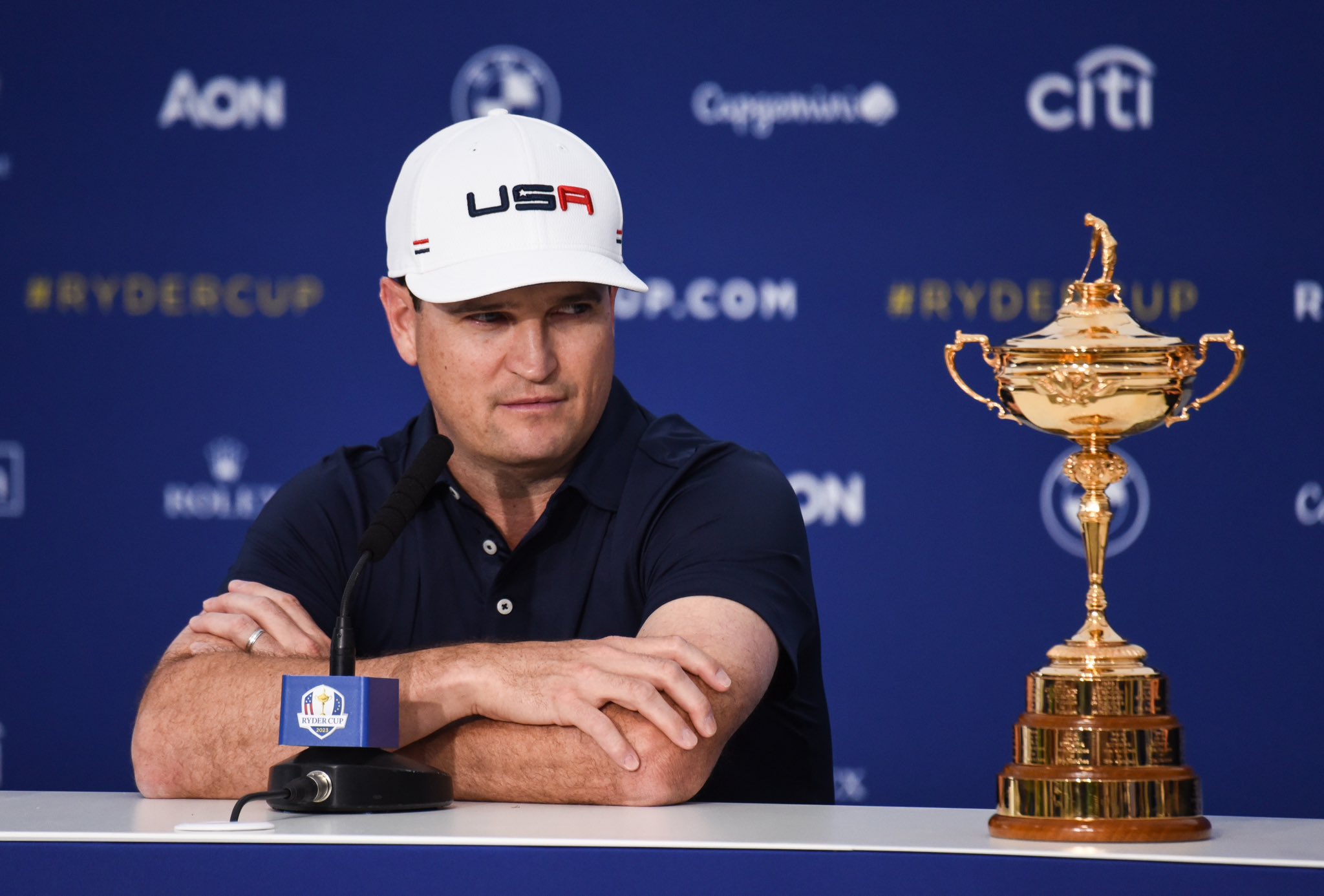
Zach Johnson Explains Why He Didn’t Pick Bryson DeChambeau for the Ryder Cup

Justin Thomas FIRES Coach before Ryder Cup…Who’s Next?
