
Golf Instruction
Avoiding Golf Injuries


When we talk about sports injuries many of us immediately think of higher contact activities such as football, boxing, or baseball. Golf injuries on the other hand are not as widely discussed, yet believe it or not, a golf swing can place a great deal of strain on the body in a short period of time.
Playing golf involves the process of executing a repetitive motion (your swing) between 60-100 times per round, not including any warm up on the practice range. When you tie that in with walking upwards of four miles in a round (6000 yards = 3.4 miles) plus the occasional higher-impact moments (chunking on hard turf), you can create a more significant strain on your body than you may have expected. If taken too lightly injuries resulting from these activities can take you out of the game for a while.
[membership level=”0″]
With that said, the most common injuries a golfer might incur include back, knee, elbow, and wrist injuries. Head injuries and ‘turf toe’ are rare on the course, unless of course someone doesn’t scream fore and you’re the target, or you plan on running all 18 holes!
Back Injuries
Back injuries are by far the most prevalent golf injury, sidelining countless golfers every year…
You must be a Golficity Premium Member to view this content.

Already a Premium Member? Sign in Here.
[/membership]
[membership level=”1,2,3″]
With that said, the most common injuries a golfer might incur include back, knee, elbow, and wrist injuries. Head injuries and ‘turf toe’ are rare on the course, unless of course someone doesn’t scream fore and you’re the target, or you plan on running all 18 holes!
Back Injuries
Back injuries are by far the most prevalent golf injury, sidelining countless golfers every year. Each swing of the golf club creates a high level of torque, a force that places quite a bit of pressure on the back from top to bottom of the spine. In the backswing, although you may never feel it, a great deal of pressure is placed on the lower back which can cause lower-back strains. If your body is not properly prepared for this motion, the strain placed on your lower back could result in a sidelining injury. Luckily however, the chance of occurrence of this type of injury can be largely reduced with proper training and exercise.
Try using these simple exercises that increase range of motion in the lower-back region and increase your flexibility by staying stretched and loose.
- The Row Machine: Chances are your local gym has a row machine, if not you can order a set of rubber stretch bands on Amazon for about $25 and use it on fence, pole, or any other stable object. Whether sitting or standing, hold the cable or stretch bands firmly and slowly pull them into your body and back out again. Do this a few times a week and even briefly before your round to loosen up your back muscles.
- Pull Downs: Similar to rows, use the bands above your head either on a pull down machine or with the stretch bands. Simply pull the cables or bands down slowly. Like rowing, this exercise will stretch and strengthen back muscles, thus helping to reduce the chances of a potential back injury.
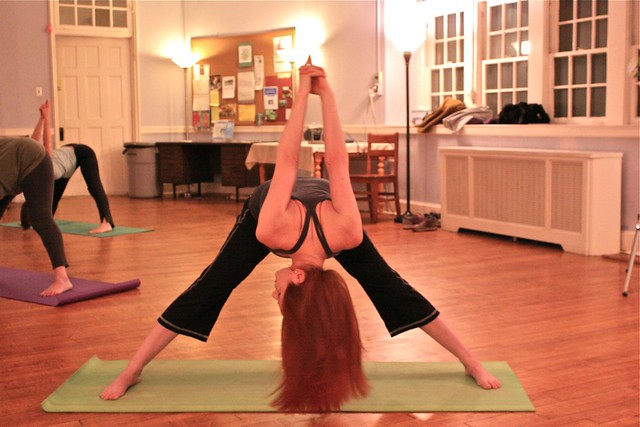
- Yoga and Pilates: These low impact types of exercises are the most important in our opinion, and perhaps the most overlooked. Yoga and Pilates focus on your core abdomen area which is the center of balance and strength for your mid-section and the lower back area. Doing these exercises regularly will dramatically help your flexibility and lower body control. Heck, it may even improve your swing path!
Knee Injuries
The golf swing can be brutal for your knees. The amount of pressure caused by the shift of weight from one knee to the other during impact places a significant amount of strain on each knee. This pressure can cause meniscus or cartilage injuries that can take a while to heal. We’ve seen Tiger Woods struggle with this injury throughout his career. Osteoarthritis, which is caused by wear and tear on the knee joints, is a common golf injury that pro golfers are burdened with. It’s extremely important not to overlook joint stretching during warm-ups and not just focus on the back.
Try this simple reverse lunge to knee drive exercise to build strength and flexibility in this key area:
Elbow and Wrist Injuries
Similarly to the knees, the golf swing places a large amount of shifting weight and pressure on arm pivot points such as the elbows and wrists. This can lead to elbow injuries such epicondylitis (which is known as golfer’s elbow). This injury can occur when the golfer strikes the turf before the ball and continues to jar their wrists and elbows over and over.
Here are a few helpful exercises that will help build strength in these areas:
- Ball Squeeze: Try regularly squeezing a stress or tennis ball for 3-5 minutes as part of your normal workout activity. This will strengthen the small muscles in your wrists and elbows and could cut the odds down of wrist and elbow injuries.
- Wrist curls: If you don’t already have access to one, purchase a lightweight dumbbell or barbell, then simply curl the weight into your forearm in a repetitive manner. 3 sets of 10 reps on each wrist will go a long way in strengthening your forearms and preventing the chunk shot ‘turf wrist’ disaster – another injury we saw Tiger Woods get this year during the US Open at Merion in 2013.
When it comes to avoiding golf injuries an ounce of prevention outweighs a ton of recovery. Following these simple suggestions will help you build strength and flexibility in the muscles most commonly used in the game of golf.
Golficity, LLC strongly recommends consulting with your physician before beginning any exercise program.
You should be in good physical condition and be able to participate in the exercise.
Golficity, LLC is not a licensed medical care provider and represents that it has no expertise in diagnosing, examining, or treating medical conditions of any kind, or in determining the effect of any specific exercise on a medical condition or injury.
You should understand that when participating in any exercise or exercise program, there is the possibility of physical injury. If you engage in this exercise or exercise program, you agree that you do so at your own risk, are voluntarily participating in these activities, assume all risk of injury to yourself, and agree to release and discharge Golficity, LLC from any and all claims or causes of action, known or unknown, arising out of Golficity, LLC negligence.
[/membership]



Foresight GC2 Review: A Surprisingly Affordable Launch Monitor From Foresight

FIRST LOOK: Rapsodo MLM2XPRO Adds Putting, Faster Performance & More

FIRST LOOK: Titleist’s 2027 Pro V1 and Pro V1x Are Officially Showing Up on Tour

2026 Presidents Cup Preview: Did Team USA Get It Right?

Turning Stone: The Northeast’s Most Underrated Golf Destination
2026 Presidents Cup Preview: Did Team USA Get It Right?

LIV Golf Filed for Bankruptcy…Now What?
FIRST LOOK: Rapsodo MLM2XPRO Adds Putting, Faster Performance & More
Turning Stone: The Northeast’s Most Underrated Golf Destination
Foresight GC2 Review: A Surprisingly Affordable Launch Monitor From Foresight

We Played This Old Golf Course Where Thomas Edison Was A Member

Are You MEASURING Your Golf Swing Correctly? (This Can Help)

Zach Johnson Explains Why He Didn’t Pick Bryson DeChambeau for the Ryder Cup

Justin Thomas FIRES Coach before Ryder Cup…Who’s Next?