
Golf Instruction
Here’s Why Every Golfer Needs a Signature Move

Every semester in my Academy, I like to give all of our young students a homework assignment. Develop a signature move.
What is a signature move? you might ask. Well, for simplicity’s sake, let’s just say it is something akin to the saber-rattling move Chi Chi Rodriguez used to make after he dropped a particularly significant putt or Tiger Woods’s iconic fist-pump. The kids really get a kick out of it, especially when I ask them to make a short putt and then perform it in front of the class.
When we do it, however, I never fail to notice the half-concerned and somewhat puzzled looks I receive from the casual onlookers and even some of the parents who are camped out just beyond the edges of the putting green. So before you all go and worry that I’m teaching our younger generation to become a bunch of hot-dogging, fist-pumping, you-da-man-shouting obnoxious bores out on the golf course, let me assure you there is more to this than mere entertainment value, and there is certainly a method to my madness.
Golf can be a frustrating game at times, depending upon your perspective and the habits you have developed because of it. We are all creatures of habit of one form or another, and the all-too-common habit among many golfers is to get upset, moan, complain, curse, throw clubs, break clubs, and generally act like some sort of Oakland Raiders fan after every missed shot or putt.
“Good habits formed during youth make all the difference.”
– Aristotle
The game itself sets us up for this to a degree because (by design) we fail far more than we succeed. And for some reason, the game simultaneously seems to attract more than its fair share of perfectionists who expect an unrealistically high degree of success on every shot. You know the type—the guy or gal who lives under the curious belief that if they react strongly enough to every slightly missed shot or putt, they will convince everyone in a three-county area that if it weren’t for the planets being out of alignment or some other mysterious forces conspiring against them, they would have easily turned that 92 into a 68!
I’m going to let you in on a little secret. Your brain has a fascinating little habit of remembering in much greater detail and more easily recalling situations and events that are tied to your strongest feelings of emotion. So if you are in the habit of emotionalizing every bad shot and treating your few fleeting moments of success as ho-hum events, it won’t be very long until the only thing you can recall when you’re standing over the ball is every shank, chunk, top, skull, or yipped three-footer you’ve made since first picking up a club at the age of eight!
Recognize anyone in the above description? Recognize yourself? Well, if you do, then maybe you can now see why I am teaching the kids early on the habit of celebrating their successes (in a reasonable fashion) and emotionalizing those few really good shots they make every round, while simultaneously encouraging them to develop a process for mentally throwing out the bad ones.
So if you’re in the habit of reacting negatively to all those missed shots rather than celebrating the good ones, then maybe it’s time you came up with a signature move. I’m not saying you need to start moon-walking after every made putt, but even a small gesture of satisfaction (performed consistently) can start the mental ball rolling in the right direction and help your brain start to erase the flood of negative mental images that succeed only in making you nervous, anxious, and irritable.
And once you’ve got it down, be ready with it the next time you hit a good shot or drop a clutch putt and make your signature move. You might feel a little silly at first if it’s not already your habit, but not half as silly as you feel when you have to explain to the pro why you need to get your putter re-shafted for the fourth time this year!


LIV Golf Could Be Facing its Final Chapter

Foresight GC2 Review: A Surprisingly Affordable Launch Monitor From Foresight

FIRST LOOK: Rapsodo MLM2XPRO Adds Putting, Faster Performance & More

FIRST LOOK: Titleist’s 2027 Pro V1 and Pro V1x Are Officially Showing Up on Tour

2026 Presidents Cup Preview: Did Team USA Get It Right?
2026 Presidents Cup Preview: Did Team USA Get It Right?
FIRST LOOK: Rapsodo MLM2XPRO Adds Putting, Faster Performance & More
Foresight GC2 Review: A Surprisingly Affordable Launch Monitor From Foresight

Turning Stone: The Northeast’s Most Underrated Golf Destination
FIRST LOOK: Titleist’s 2027 Pro V1 and Pro V1x Are Officially Showing Up on Tour

We Played This Old Golf Course Where Thomas Edison Was A Member

Are You MEASURING Your Golf Swing Correctly? (This Can Help)
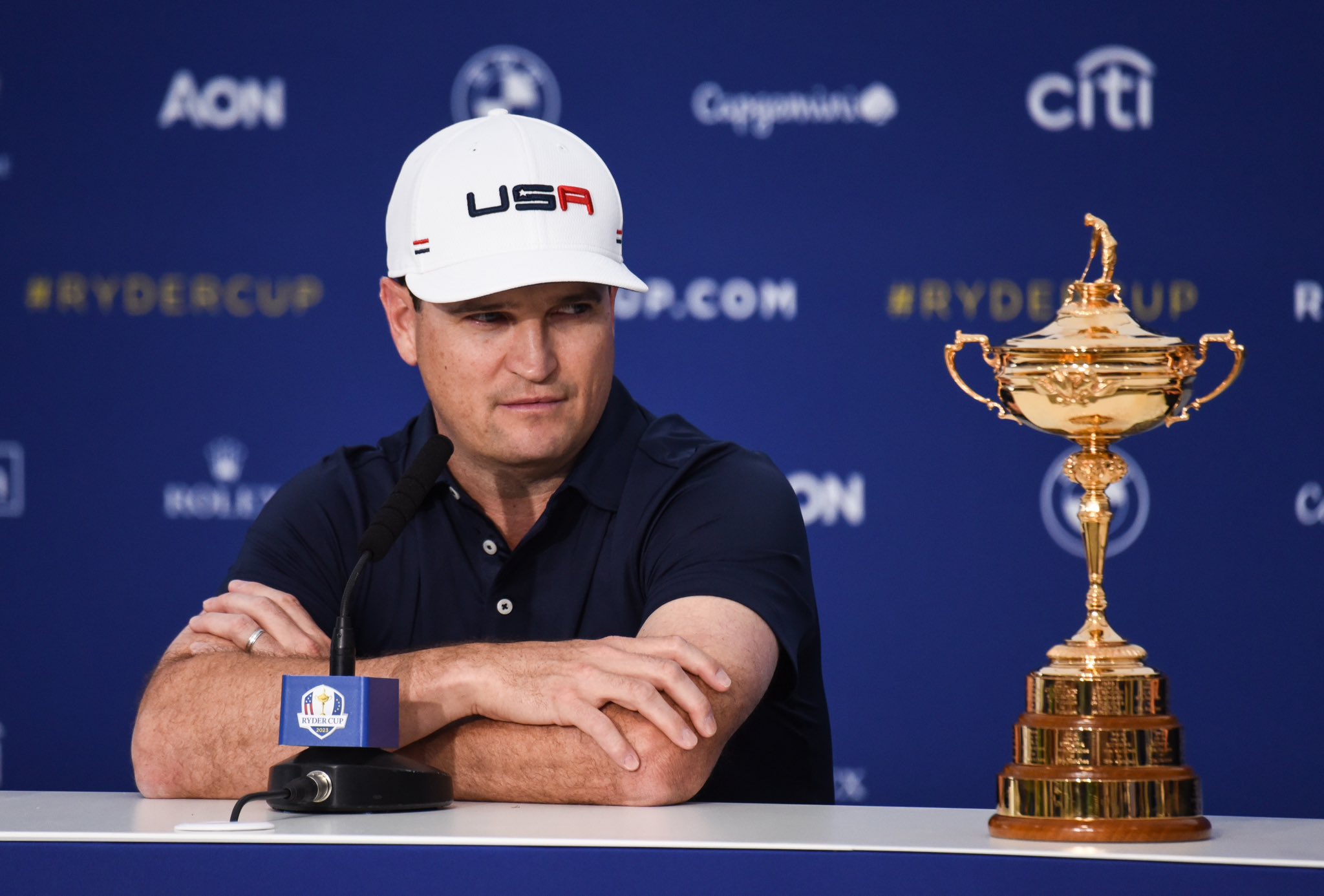
Zach Johnson Explains Why He Didn’t Pick Bryson DeChambeau for the Ryder Cup

Justin Thomas FIRES Coach before Ryder Cup…Who’s Next?

What Nobody Tells You About Great Ball Striking
-
 Equipment1 week ago
FIRST LOOK: Rapsodo MLM2XPRO Adds Putting, Faster Performance & More
-
 Equipment1 week ago
Foresight GC2 Review: A Surprisingly Affordable Launch Monitor From Foresight
-
 Equipment1 week ago
FIRST LOOK: Titleist’s 2027 Pro V1 and Pro V1x Are Officially Showing Up on Tour
-
Podcasts2 days ago
LIV Golf Could Be Facing its Final Chapter