
Golf Instruction
The Secret to Tommy Fleetwood’s Smooth Golf Swing—and How You Can Steal It

Tommy Fleetwood’s swing looks silky, but it’s not magic—it’s smart fundamentals executed with ridiculous consistency.
Tommys down the line, fairway wood swing. Here Tommy demonstrates 2 of our key non technical qualities/goals that benefit all golfers, particularly in a pre round warm up. Rhythm and balance. Go to the 1st tee with those 2 thoughts and sensations at the forefront of your mind pic.twitter.com/hiOGbI4RqK
— Tommy Fleetwood Academy Southport (@TommyFAcademy) March 2, 2023
If you want a blueprint for better ball striking without overhauling your entire game, study these key pieces of Fleetwood’s move and try the simple feels below.
#1 – Balanced, Athletic Setup (Don’t Skip This!)
Fleetwood starts in a relaxed, athletic posture: neutral grip, chest soft, and weight balanced through the mid-feet. That calm address lets everything else flow.
Most amateurs try to “fix” impact while ignoring setup—don’t be that golfer.
Try this: Soften your knees, feel your ribs stacked over your hips, and let your arms hang. If your setup feels easy, you’re doing it right.
#2 – Wide, Connected Takeaway (Create Space Early)
On the way back, Tommy keeps the clubhead outside his hands a touch longer and his arms “long”—that width is money. It limits early wrist set, keeps the club in front of him, and makes it easier to shallow later without any circus moves.
Feel: Clubhead glides back low and wide for the first 12–18 inches; imagine the butt of the club pointing near your belt buckle through the takeaway.
#3 – Shift, Then Shallow (The “Let It Fall” Move)
Here’s the secret sauce: Fleetwood shifts pressure to his lead side and lets the club fall into the slot.
No yank from the top.
That shallow-then-rotate sequence keeps the face stable and delivers that piercing, repeatable flight.
Feel: From the top, bump your lead hip a hair toward the target, keep your chest calm for a split-second, and imagine the clubhead dropping behind your hands before you turn hard through.
#4 – Low-Point Control & Flighted Trajectory (That Famous “Stinger” DNA)
Because Tommy’s sequence is so clean, he can flight the ball down on command. That’s not just a party trick—it’s control.
Lower windows, predictable spin, and distance that holds up in wind.
Range game: Hit 3–5 “flighted” 7-irons: ball a touch back, pressure more lead side, feel chest covering the ball and hold the finish waist-high.
#5 – Balanced, Tour-Tidy Finish (Built, Not Forced)
Fleetwood’s finish isn’t a pose—it’s the receipt.
If you’ve sequenced well, you’ll land tall on your lead side with the trail foot up on the toe and zero wobble. If you’re falling off balance, fix the stuff earlier (setup, width, shallow) instead of squeezing harder at the bottom.
Quick Checkpoints You Can Steal Today
- Setup: Soft knees, ribs over hips, arms hanging—no tension.
- Takeaway: Low and wide; club outside hands early.
- Transition: Shift lead, let the club drop, then rotate.
- Flight control: More lead pressure + chest covering = lower, tighter windows.
- Finish: Hold a balanced, waist-high finish on your flighted shots.
Bottom line: You don’t need Tommy’s speed to copy his structure. Get the first 18 inches of the backswing right, let gravity help in transition, and you’ll start striking it cleaner with less effort—just like Fleetwood.


Foresight GC2 Review: A Surprisingly Affordable Launch Monitor From Foresight

FIRST LOOK: Rapsodo MLM2XPRO Adds Putting, Faster Performance & More

FIRST LOOK: Titleist’s 2027 Pro V1 and Pro V1x Are Officially Showing Up on Tour

2026 Presidents Cup Preview: Did Team USA Get It Right?

Turning Stone: The Northeast’s Most Underrated Golf Destination
2026 Presidents Cup Preview: Did Team USA Get It Right?
FIRST LOOK: Rapsodo MLM2XPRO Adds Putting, Faster Performance & More
Turning Stone: The Northeast’s Most Underrated Golf Destination
Foresight GC2 Review: A Surprisingly Affordable Launch Monitor From Foresight
FIRST LOOK: Titleist’s 2027 Pro V1 and Pro V1x Are Officially Showing Up on Tour

We Played This Old Golf Course Where Thomas Edison Was A Member

Are You MEASURING Your Golf Swing Correctly? (This Can Help)
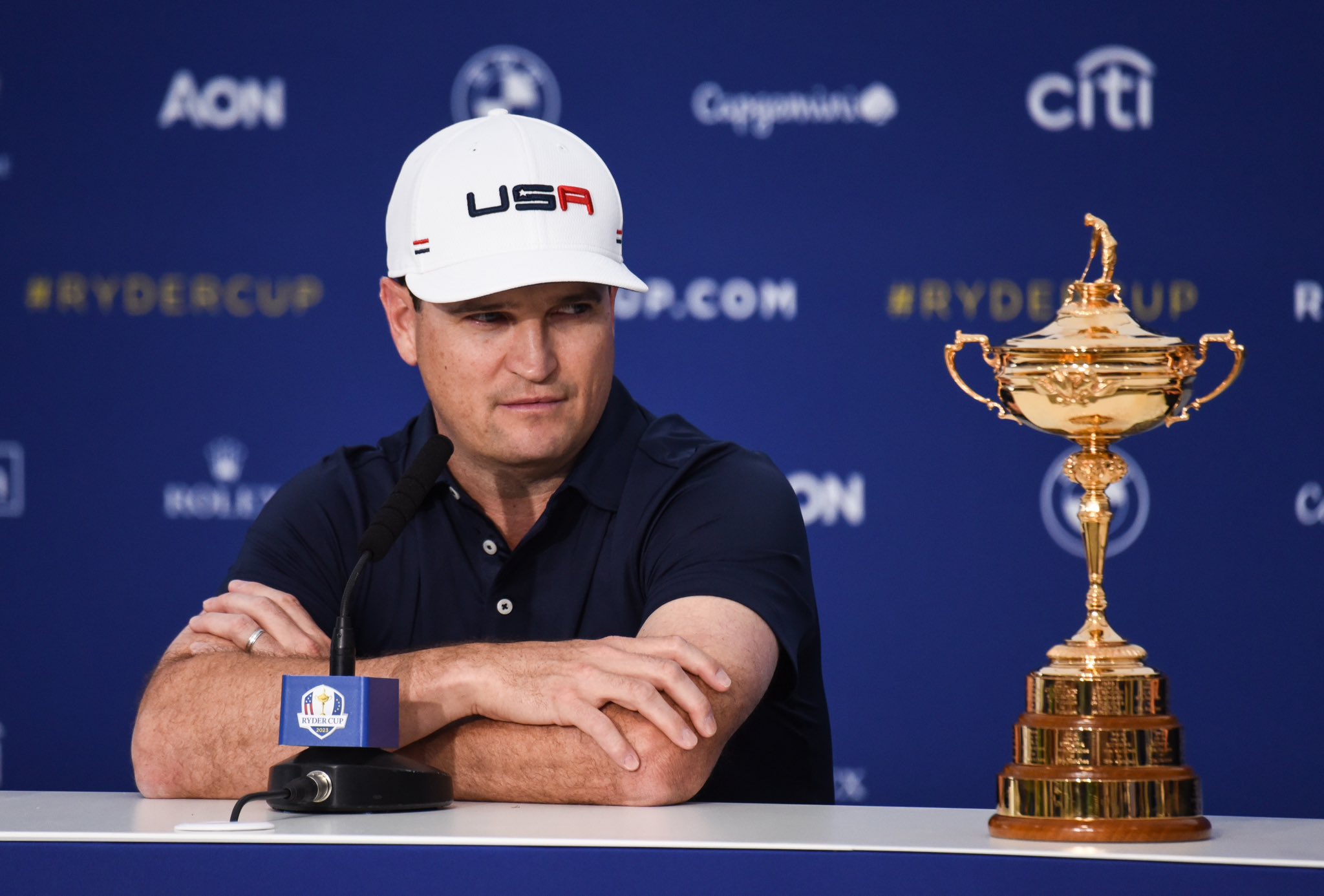
Zach Johnson Explains Why He Didn’t Pick Bryson DeChambeau for the Ryder Cup

Justin Thomas FIRES Coach before Ryder Cup…Who’s Next?