
Courses
Fall Golf: Tips for Playing Your Best Game When Temperatures Cool Off

Now that October baseball is back in action, so is golf’s exciting season of joggers, QZs, sweatshirts, and more. Not unlike autumn’s effect on the diamond, fall golf presents its own unique challenges that can be difficult to face when you’re not as prepared for them as you’d like to be. Mainly, fall golf in the northeast is an absolute dream for the course’s greenskeepers as colder temperatures equate to pristine course conditions in healthy, lush, and thick grasses. If you’re a fan of lightning-fast greens that roll to perfection without being overly firm, then fall golf is right up your alley. At the same time, the season of black and orange results in more leaves in the rough, stiffer breezes, less pop, and potentially longer rounds.
In the summertime, the ball just seems to jump off the face/fly forever due to the heat/humidity and favorable winds. Nowadays, we have to pay close attention to our surroundings and, thus, our yardages in fall’s colder/windier conditions. In October, don’t be surprised when your typical 7-iron ends up traveling as much as a full-club shorter than you’re used to. Also, don’t fight it: if the ball is going shorter, then the ball is going shorter. You’re not going to win any awards or lower your scores by swinging out of your boots trying to fight Mother Nature’s plans for you that day. Accept that everyone else has to face the same golf course/conditions that you are that day, and your job is to attack the golf course using the best version of your game.
Watch Your Golf Ball Closely
Losing your ball that just landed about 10 yards off the fairway, in the rough, and under/in a pile of leaves is frustrating; to say the least. With all of the additional loose impediments such as leaves, acorns, sticks, and what-have-you on the ground during the fall, the chances of losing your ball and, then, your mind increase dramatically. Do your best to keep watching all of your shots until they come to rest.
When it’s Breezy, Swing Easy
Don’t confuse swinging easy with not swinging aggressively or hard. With that being said, high winds contribute to lots of headaches as you’re trying to control your distance, trajectory, and direction; which are all signs of a quality/well-struck golf shot. If you’re facing a stiff crosswind, club up by one-or-two clubs and swing within yourself; on balance with a properly balanced finish.
Use one GIF to describe Fred Couples’ swing.pic.twitter.com/xft1xalVcN
— Golf Digest (@GolfDigest) October 3, 2020
Make sure you’re always cognizant of what the wind is doing; what direction it’s blowing in, and how hard. You can hit a perfectly struck golf shot that finishes in a poor place more often in October than in July. To get the most out of your misses and maximize the quality of your well-struck shots in windy/cold conditions, swing under control and on balance while making sure that you select the right club; or enough club.
Play With More Margin
When the temperature drops and the wind picks up, your body/engine isn’t as warmed up, and your extra layers make it that much more difficult to swing the club with freedom/ease. While you typically hear the term “margin” being applied to tennis, it’s very relevant to golf as well. In tennis, Novak Djokovic is known for playing aggressively without assuming a ton of risk; and he does so by attacking his opponent with “margin” on his shots; shots/balls that clear the net without cutting it too close and land in the court without coming too close to the sideline or baseline. In fall golf, a lot of times, it’s wise to make aggressive swings on conservative lines or conservative targets.
Extra layers on your body make it harder to swing freely, and the wind makes it harder to control ball flight, and you should take that into account by playing with more margin; whether that means aiming/missing left when the trouble is right and vice versa. This principle also applies to club selection; especially into the wind. If you think your upcoming approach/tee shot that’s clearly into the wind is going to play at least 1/1.5-clubs further, don’t be afraid to pull 2 extra clubs rather than merely 1. If your typical 8-iron goes 155 and your typical 6-iron goes 175, and your 155-yard tee-shot appears to be playing 170 due to the wind, then pull 6-iron and choke up a hair if it gets you to a confident place mentally.
Fall-Golf Reminders
Unlike past years, golfers are now permitted to remove loose-impediments from bunkers. If there’s a leaf on top of your ball in the bunker, you can move it. Just make sure you’re not moving your ball in the process of moving the loose impediment/leaf or improving/interfering with your lie in any way.
#TigerTuesdays
The heaviest “loose impediment” in golf history. pic.twitter.com/VQxZuuzh26— Skratch (@Skratch) February 2, 2021
Take at Least an Extra Club
Choking up on one, two, or even 3 extra clubs is a beautiful technique that allows you to flight the golf ball down while controlling your distance/direction.
On Oak Hill Country Club’s par-3 15th hole within the 2023 PGA Championship, club-pro sensation, Michael Block, dunked a “chippy 7-iron” from 151 yards for an ace. When it comes to the exact type of smooth and controlled iron shot/swing that’s repeatable and works well in windier/colder conditions, Block’s ace is IT.
UNBELIEVABLE!
MICHAEL BLOCK JUST DUNKED A HOLE-IN-ONE! pic.twitter.com/Qin8FYXFQV
— PGA TOUR (@PGATOUR) May 21, 2023
Judging by Block’s success and the way he swings the golf club, there’s no way his typical/stock 7-iron travels less than 165 yards; and probably closer to 170. Knowing this, it’s safe to say that Block could’ve hit 9-iron on the green that day; but chose his 7 because he could control his trajectory with it, take dead aim, and not worry about the ball drawing or fading off-line a few yards. While it’s true there’s a component of luck in any hole-in-one, Block hit good golf shots that entire week and finished top 15 in one of the four biggest tournaments in the world. In other words, the dude knows how to post a score, and the ways he’s able to do it functions as the perfect model for your typical amateur player. We don’t have the time to hit the weight room/work on our swing to the extent that Hovland, Scheffler, Rahm, and many of the world’s best do, which means that we have to play more within our physical limitations.
Posting a score in the wind/cold often requires lots of club and aggressive/on-balance swings on prudent/conservative lines. If you pound the center of the face, stay below the hole, and stay away from the big number at all costs; you can post a score in any environment, Halloween included!
Cover Image via Golf Digest


Blind Ranking The Most Iconic Masters Moments

FIRST LOOK: Titleist Unveils New Vokey WedgeWorks Grind Lineup

New Shot Scope LM1: The Best Budget Launch Monitor Under $200?

Did LIV Golf Finally Get its Big Breakthrough?

FIRST LOOK: Titleist’s New GTS Driver Lineup Spotted on Tour

Streamsong Unveils “Bone Valley”: A Bold New Name and Logo for Its Highly Anticipated Fifth Course
FIRST LOOK: Titleist’s New GTS Driver Lineup Spotted on Tour

6 Big Changes Coming to the PGA TOUR
New Shot Scope LM1: The Best Budget Launch Monitor Under $200?
FIRST LOOK: Titleist Unveils New Vokey WedgeWorks Grind Lineup

We Played This Old Golf Course Where Thomas Edison Was A Member

Are You MEASURING Your Golf Swing Correctly? (This Can Help)
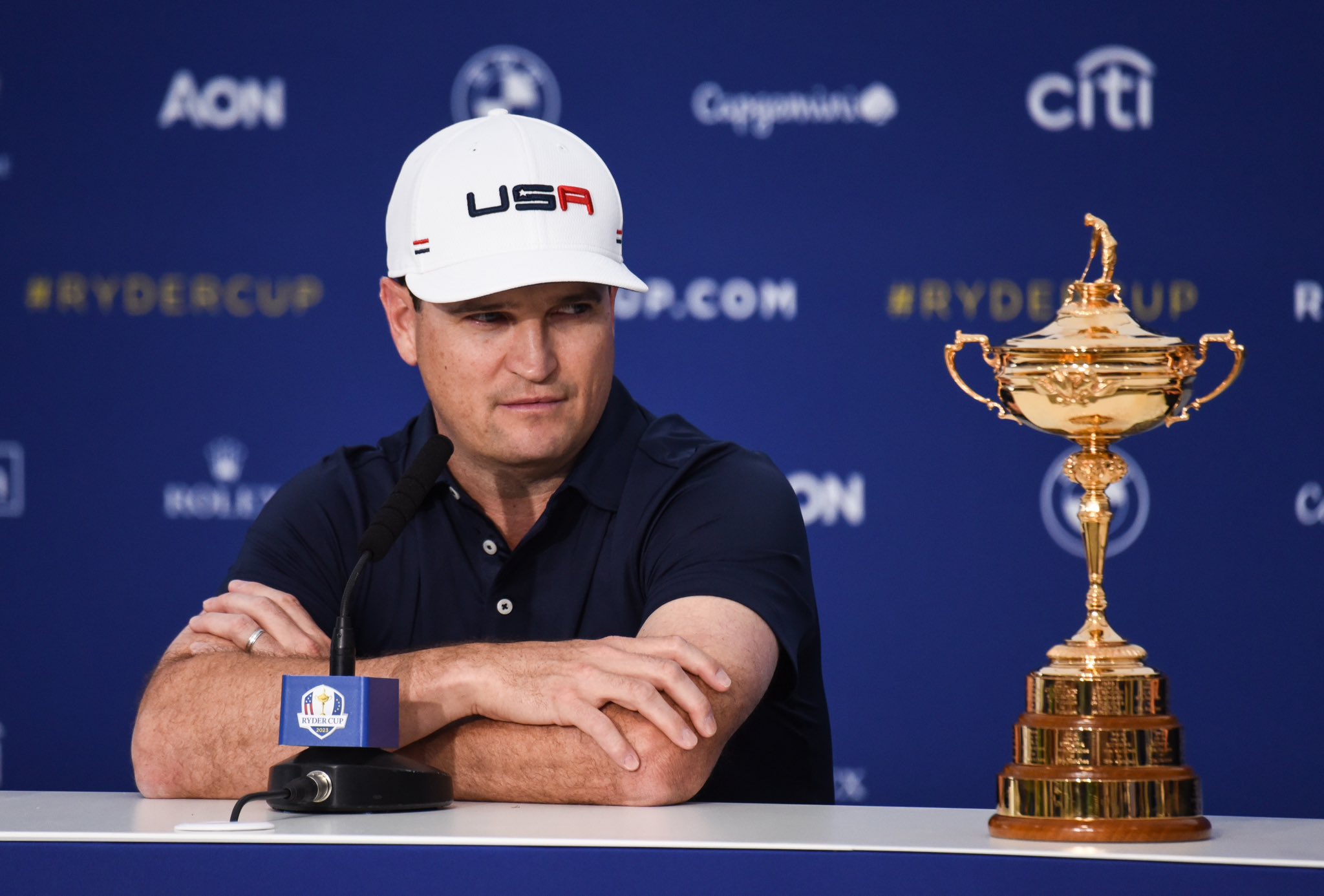
Zach Johnson Explains Why He Didn’t Pick Bryson DeChambeau for the Ryder Cup

Justin Thomas FIRES Coach before Ryder Cup…Who’s Next?