
Opinion
OPINION: GPS and Rangefinders OK’d by PGA, So How About a Shot Clock Too?

The PGA of America took an unexpected move forward with their green lighting of GPS devices and laser rangefinders to be used in their major championships. Now this does not apply to the PGA Tour, but it does apply to events like the PGA Championship.
I’ve long thought these should be allowed for one purpose: speeding up the game with fast, accurate data.
Think about this: tournament directors can now have information delivered right to a handheld device or watch that is consistent, equitable, and instant. While some things will still need to be stepped off and measured or seen, this is a huge opportunity to shave a good amount of time off many players’ rounds.
This move also paves the way for the PGA to get an economic boost as they could find themselves in the very financially advantageous position of adding an official rangefinder or GPS device brand to their marketing arsenal. This could be an opportunity for the Tour as well as players who could gain a wallet injection.
Along with this, the PGA and the Tour need to add a shot clock, and I mean desperately.
Golf is obnoxiously long on TV, and even with motorcycle-like and surfboard-style carts to traditional two passenger models speeding around golf courses, the game takes too long in the public sector as well.
The European Tour plays an excellent event called the Shot Clock Masters. Every touring pro in the party is put on the clock to ensure that after arriving at their ball that yardage, shot selection, and execution of the strike are made in 60-seconds or less. Now if the player needed to make change to their club selection or had to step off the shot due to whatever environmental reason, they could take a 30-second reset on each hole.
But the net effect of the round was it felt so much faster, and it wasn’t just perception. The Shot Clock Masters 2018 event found an average time shaving of 34 minutes per round. Their ultimate goal is to meet or exceed a 45 minute cut in play time.
Player scores did not suffer at the Shot Clock Masters as they didn’t significantly deviate from the rolling average. In fact, most players really enjoyed the increased pace and sense of urgency with the clock constantly in effect. That’s probably because the worst real estate in the world to be trapped in is the 6-inch space between one’s ears.
From pros to amateurs, standing over a shot for an inordinate amount of time falls into the When I Come Around lyrics realm, “You may find out that your self doubt means nothing was ever there. You can’t go forcing something if it’s just not right.”
Slow play on Tour needs to move from a slap on the wrist to a punch in their prize money, donated to the charity of the tournament host. GPS and shot clocks can do this.
I firmly feel the use of GPS and laser rangefinders is good for the PGA’s own major events as well as a good idea to be adopted by the Tour. Anything that adds speed to these molasses in January marches to the finish is heavily welcomed. But without a true time constraint added to the use of these electronic devices along with actual penalties for being slugs, the players have no incentive to act faster.
And despite their quirky, ungodly sloth speed players like Bryson DeChambeau, JB Holmes, and Keegan Bradley will be forced to get out of their heads and into the game faster if we couple the allowing of GPS and rangefinder tech to shot clocks.
Cover Image via Instagram


Ocean City Golf Trip Guide: Great Courses, Affordable Golf & A Beach Town Vibe

LIV Golf Could Be Facing its Final Chapter

Foresight GC2 Review: A Surprisingly Affordable Launch Monitor From Foresight

FIRST LOOK: Rapsodo MLM2XPRO Adds Putting, Faster Performance & More

FIRST LOOK: Titleist’s 2027 Pro V1 and Pro V1x Are Officially Showing Up on Tour
FIRST LOOK: Rapsodo MLM2XPRO Adds Putting, Faster Performance & More
Foresight GC2 Review: A Surprisingly Affordable Launch Monitor From Foresight
FIRST LOOK: Titleist’s 2027 Pro V1 and Pro V1x Are Officially Showing Up on Tour
LIV Golf Could Be Facing its Final Chapter
Ocean City Golf Trip Guide: Great Courses, Affordable Golf & A Beach Town Vibe

We Played This Old Golf Course Where Thomas Edison Was A Member

Are You MEASURING Your Golf Swing Correctly? (This Can Help)
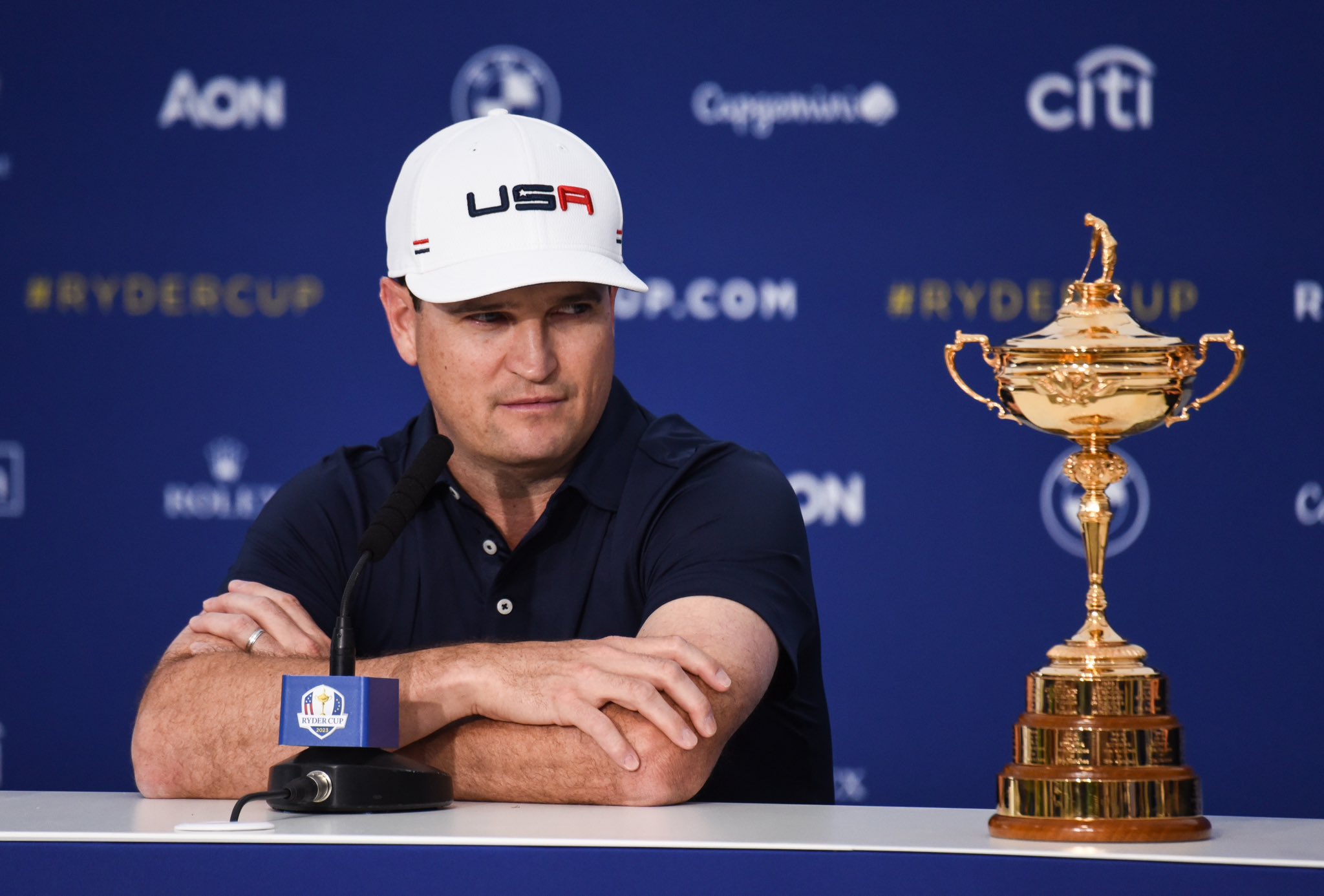
Zach Johnson Explains Why He Didn’t Pick Bryson DeChambeau for the Ryder Cup

Justin Thomas FIRES Coach before Ryder Cup…Who’s Next?