
Equipment
Radar vs Camera Launch Monitors: Pros, Cons, and Key Differences

If you’re shopping for a golf launch monitor, you’ve probably noticed that the market is split between two major technologies: radar-based systems (like the Flightscope Mevo) and camera-based systems (like the Rapsodo MLM2PRO).
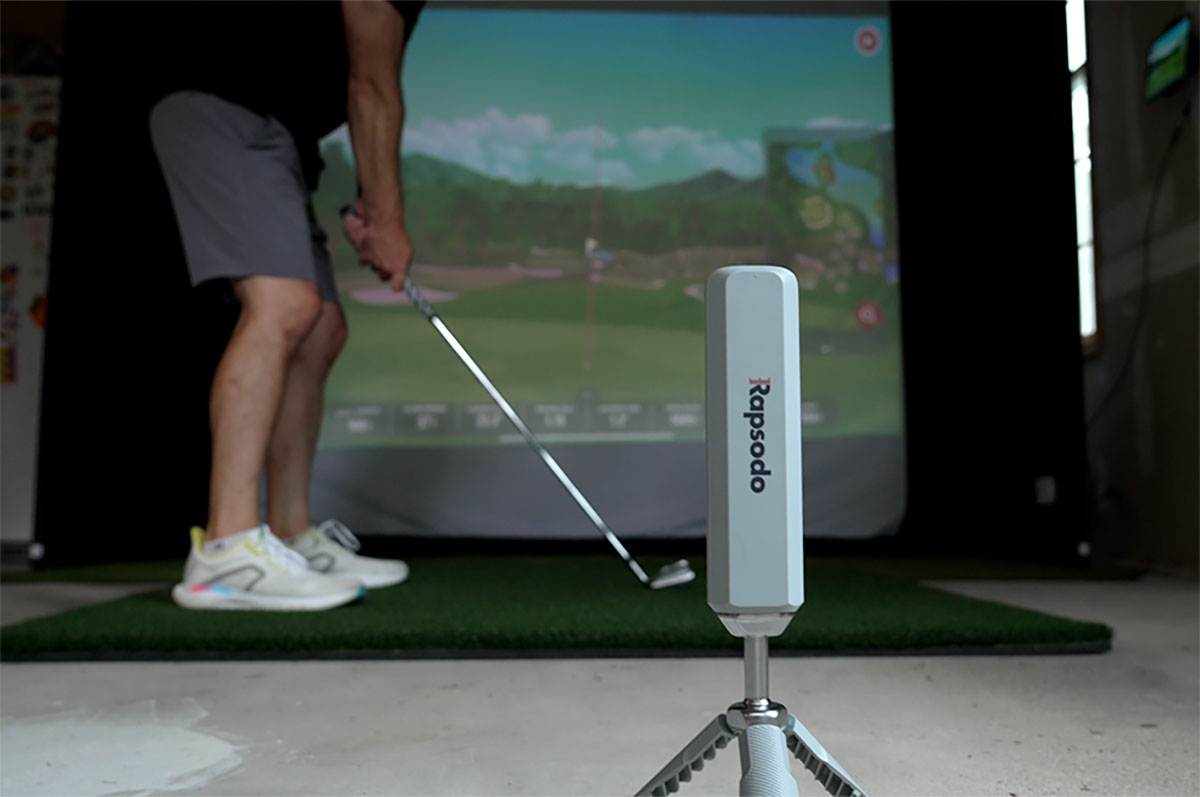
Both types have their strengths, and both can completely change the way you practice and play golf. But the question is, which one is the better fit for your setup and budget?
How Radar Launch Monitors Work
Radar units track the golf ball using Doppler radar.
They measure the ball’s flight as it travels downrange, which allows them to capture metrics like carry distance, total distance, spin rates, and launch angles in real time.

Because they need to “see” the ball flight, radar launch monitors typically require more space behind the golfer and downrange clearance.
- Popular Models: FlightScope Mevo, TrackMan, Garmin Approach R10
- Space Needed: 16–20 feet of depth (8 feet behind the ball + 8–12 feet of ball flight)
- Strengths: Excellent outdoors, great for measuring ball flight and distance gapping
- Limitations: Struggles in tight indoor spaces, spin accuracy can vary without marked balls
How Camera Launch Monitors Work
Camera systems use high-speed optics to capture data at or just after impact. They record thousands of frames per second, then process that information to calculate ball flight and club data.
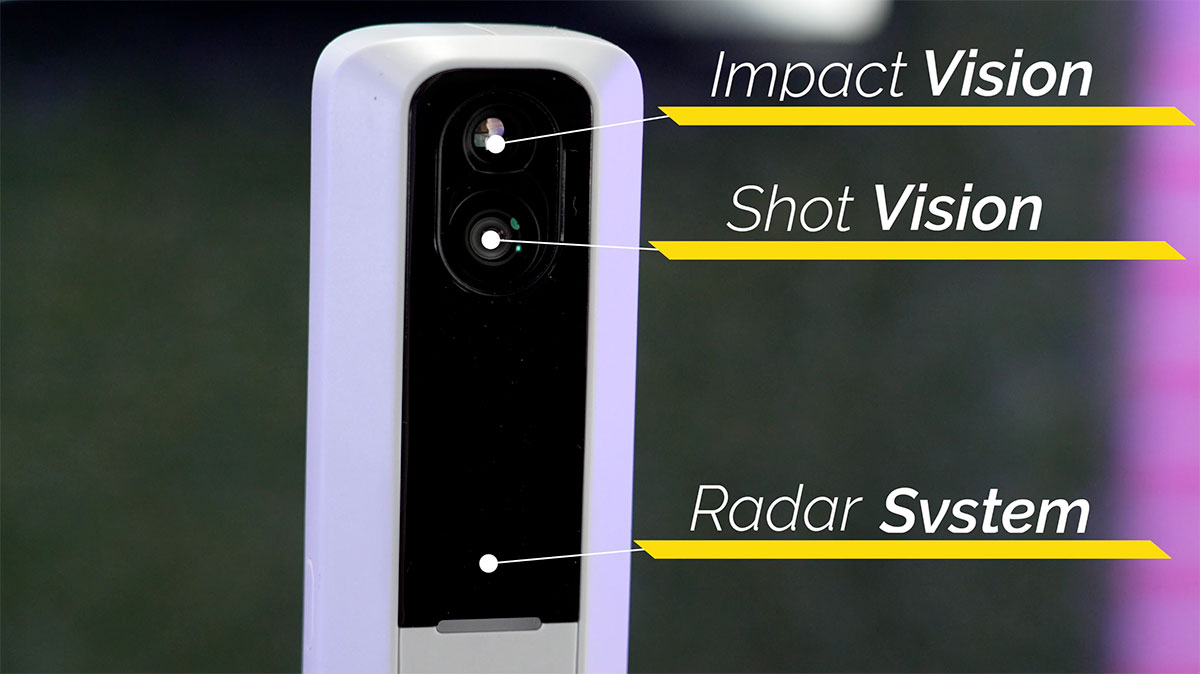
Because the cameras only need a short flight window, they’re far more forgiving in small rooms or garages.
- Popular Models: Rapsodo MLM2PRO, Garmin Approach R50, Foresight GC3
- Space Needed: 10–15 feet of depth (most work with just 6–8 feet of ball flight)
- Strengths: Very accurate indoors, compact, no need for long ball flight
- Limitations: Less forgiving outdoors in bright sunlight, some models require perfect ball placement
Radar vs Camera: Quick Comparison
| Feature | Radar Launch Monitor | Camera Launch Monitor |
|---|---|---|
| Best Environment | Outdoors / Large Indoor Spaces | Garages, Basements, Smaller Rooms |
| Space Requirement | 16–20 ft depth | 10–15 ft depth |
| Accuracy Indoors | Good, but needs marked balls | Excellent |
| Accuracy Outdoors | Excellent | Good (sunlight can affect cameras) |
| Price Range | $500 – $20,000+ | $500 – $15,000+ |
Which One Should You Choose?
The right choice comes down to your space and your priorities. If you’ll be practicing mostly outdoors, or if you’ve got a large indoor studio with plenty of depth, a radar-based unit is an excellent option. They shine when it comes to tracking real ball flight and giving you reliable distance numbers on the range.
If you’re setting up a garage or basement simulator and space is tight, a camera-based launch monitor is usually the better pick. You’ll get more accurate data in small spaces, and you won’t need 20 feet of room to get full readings.
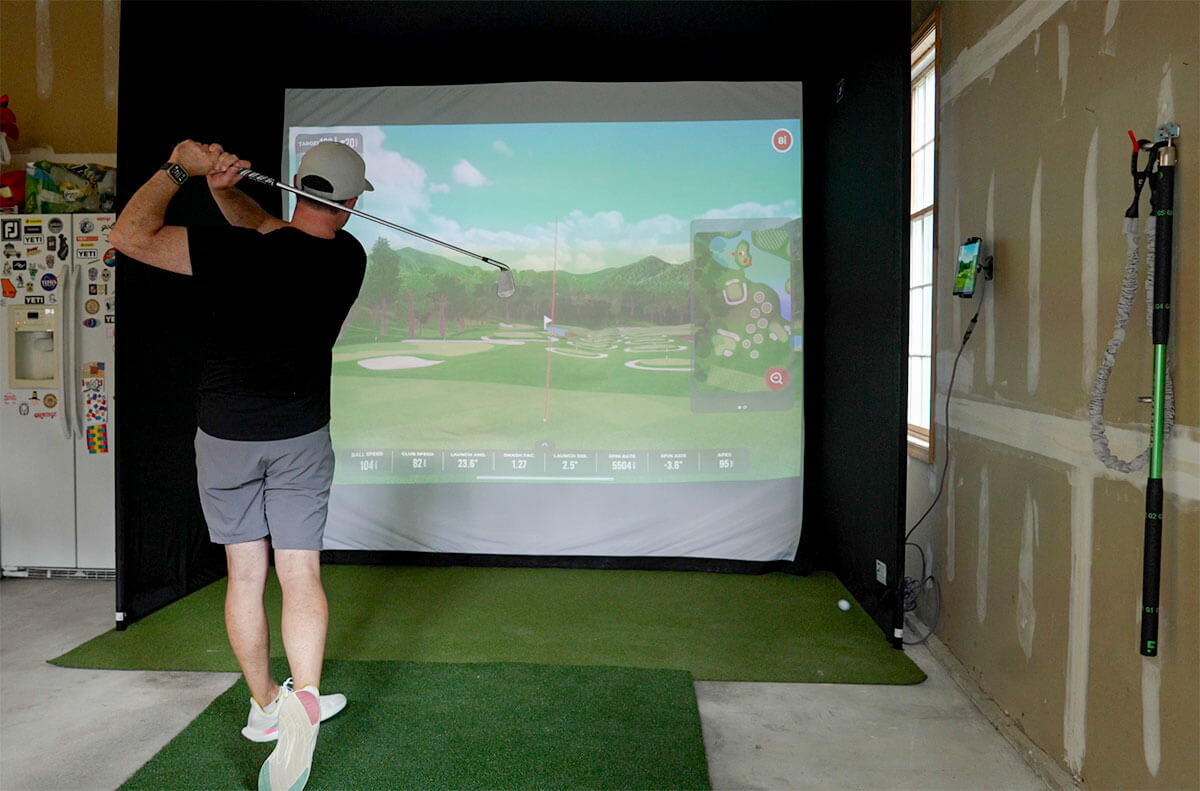
For golfers building home simulators, camera systems are often the clear winner.
Final Thoughts
Both radar and camera launch monitors can completely transform your practice. Radar excels in open space and outdoor accuracy, while camera units dominate in smaller home setups. Think about where you’ll use your launch monitor most often, and let that guide your decision.
Still unsure? Check out our full 2025 home golf simulator buying guide for FAQ’s and more.


LIV Golf Could Be Facing its Final Chapter

Foresight GC2 Review: A Surprisingly Affordable Launch Monitor From Foresight

FIRST LOOK: Rapsodo MLM2XPRO Adds Putting, Faster Performance & More

FIRST LOOK: Titleist’s 2027 Pro V1 and Pro V1x Are Officially Showing Up on Tour

2026 Presidents Cup Preview: Did Team USA Get It Right?
2026 Presidents Cup Preview: Did Team USA Get It Right?
FIRST LOOK: Rapsodo MLM2XPRO Adds Putting, Faster Performance & More
Foresight GC2 Review: A Surprisingly Affordable Launch Monitor From Foresight
FIRST LOOK: Titleist’s 2027 Pro V1 and Pro V1x Are Officially Showing Up on Tour
LIV Golf Could Be Facing its Final Chapter

We Played This Old Golf Course Where Thomas Edison Was A Member

Are You MEASURING Your Golf Swing Correctly? (This Can Help)
Zach Johnson Explains Why He Didn’t Pick Bryson DeChambeau for the Ryder Cup

Justin Thomas FIRES Coach before Ryder Cup…Who’s Next?
